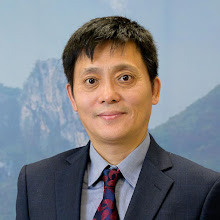
Tiejun Tang

Stem cell therapy is a rapidly
developing field in regenerative medicine. By harnessing the self-renewal and multi-lineage
differentiation capacities of stem cells, this approach aims to repair or
replace damaged cells, tissues, and organs, ultimately restoring physiological
function. Although stem cell–based treatments have demonstrated promising
therapeutic potential across a wide range of diseases, their clinical
application remains limited by high costs, technical complexity, and safety
concerns.
In recent years, increasing attention
has been directed toward the effects of acupuncture on stem cell activity.
Rather than relying on exogenous stem cell transplantation, acupuncture appears
to regulate endogenous stem cells, thereby promoting tissue repair and
functional recovery. Accumulating experimental and clinical evidence suggests
that acupuncture can influence stem cell mobilization, proliferation,
differentiation, homing, and survival through integrated neural, immune,
endocrine, and microenvironmental mechanisms [1].
This article reviews current research
on the mechanisms by which acupuncture modulates stem cell behavior,
while also exploring these findings through the lens of traditional Chinese
medicine (TCM). Methodological challenges, limitations, and future directions
for research and clinical translation are also discussed.
Introduction
Stem cells play a central role in
tissue regeneration and physiological homeostasis due to their capacity for
self-renewal and differentiation into multiple cell lineages. Modern
regenerative medicine has increasingly shifted its focus from exogenous stem
cell transplantation toward strategies that activate and regulate endogenous
stem cells [2].
Acupuncture, a core therapeutic
modality of traditional Chinese medicine, has been widely used to treat
disorders of the nervous, cardiovascular, musculoskeletal, and reproductive
systems, many of which involve tissue injury and repair [3]. Growing
evidence indicates that acupuncture can modulate stem cell behavior at both
local and systemic levels. Unlike pharmacological or genetic interventions,
acupuncture acts through biophysical stimulation, activating
neurovascular, immune, and endocrine networks, thereby optimizing the stem cell
microenvironment and enhancing intrinsic regenerative capacity [1].
Types of Stem Cells Influenced by Acupuncture
1. Mesenchymal Stem Cells (MSCs)
Mesenchymal stem cells derived from
bone marrow, adipose tissue, and other mesenchymal sources are the most
extensively studied stem cells in acupuncture research. Experimental studies
demonstrate that acupuncture can increase MSC proliferation, enhance paracrine
activity, and promote differentiation toward osteogenic, chondrogenic,
angiogenic, and neurotrophic lineages [1,4].
2. Neural Stem/Progenitor Cells
(NSCs)
In models of stroke, spinal cord
injury, and neurodegenerative disease, acupuncture has been shown to activate
endogenous neural stem or progenitor cells, particularly in the subventricular
zone and hippocampal dentate gyrus. These effects are associated with enhanced
neurogenesis, synaptic plasticity, and improved neurological function [5,6].
3. Hematopoietic Stem Cells (HSCs)
and Endothelial Progenitor Cells (EPCs)
Acupuncture may facilitate the
mobilization of hematopoietic stem cells and endothelial progenitor cells from
the bone marrow into peripheral circulation, contributing to immune regulation,
angiogenesis, and tissue repair [1,7].
Mechanisms by Which Acupuncture
Modulates Stem Cells
1. Increasing Stem Cell Numbers
Both animal experiments and clinical
studies indicate that acupuncture can significantly increase the number of
circulating stem and progenitor cells. Electroacupuncture has been shown to
elevate mesenchymal stem cell counts in peripheral blood, accompanied by
increased levels of stromal cell-derived factor-1α (SDF-1α), which promotes
stem cell migration and mobilization [4].
Acupuncture can also activate
endogenous neural stem cells. When combined with stem cell transplantation,
electroacupuncture demonstrates a synergistic effect, outperforming cell
transplantation alone. This combined therapy enhances neurotrophic factor
expression, promotes angiogenesis, inhibits apoptosis, and improves
neurological recovery in cerebral ischemia models [5].
2. Improving the Survival of
Transplanted Stem Cells
Both acupuncture and stem cell
transplantation independently improve functional recovery after ischemic
stroke. When used together, they significantly enhance the survival rate,
homing efficiency, and functional differentiation of transplanted stem cells.
Transplanted stem cells primarily
exert neuroprotective effects through paracrine signaling and immune
regulation. Acupuncture, by contrast, improves the internal environment by
stimulating endogenous neurogenesis, increasing cerebral blood flow, and
upregulating anti-inflammatory cytokines such as interleukin-10 (IL-10) and
transforming growth factor-β (TGF-β) [5].
3. Promoting Stem Cell
Differentiation
In rat models of traumatic brain
injury, acupuncture significantly increased the expression of nestin,
neurofilament protein (NF-200), and glial fibrillary acidic protein (GFAP).
These markers indicate enhanced proliferation and differentiation of neural
stem cells into neurons and astrocytes, supporting functional neural repair [6]..
Stem cell factor (SCF) plays a
critical role in guiding stem cells to injured tissues. Studies of myocardial
infarction demonstrate that electroacupuncture significantly increases SCF
levels in both peripheral blood and myocardial tissue, promoting stem cell
migration to ischemic regions and supporting myocardial regeneration. Early
post-infarction acupuncture appears particularly effective in mobilizing
endogenous stem cells and improving prognosis [7].
5. Regulating the Stem Cell
Microenvironment
A key mechanism underlying the
synergy between acupuncture and mesenchymal stem cell therapy is the regulation
of the stem cell microenvironment. Acupuncture enhances growth factor
secretion, upregulates SDF-1 expression in damaged tissues, and suppresses
inflammatory signaling pathways. Both electroacupuncture and MSC therapy
independently reduce NF-κB activation and decrease levels of inflammatory
mediators such as IL-6 and TNF-α, creating conditions favorable for stem cell
survival and tissue repair [8].
Discussion
From a traditional Chinese medicine
perspective, stem cell activity may correspond to the concept of kidney
essence (肾精), which
governs growth, development, and regeneration[9]. Acupuncture’s
regulation of qi and blood aligns with modern concepts of energy metabolism,
circulation, and cellular signaling, providing a conceptual bridge between
traditional theory and contemporary stem cell biology.
- Hongyan Gao, Weijun Ding. Effect and mechanism of acupuncture on endogenous and exogenous stem cells in disease treatment: A therapeutic review.LifeSciences.Volume 331, 15 October 2023, 122031.
- Ziwei Jiang et al. Bioactive Materials That Promote the Homing of Endogenous Mesenchymal Stem Cells to Improve Wound Healing. Int J Nanomedicine. 2024 Jul 30;19:7751–7773.
- Xiaoer Liu et al. Acupuncture accelerates wound healing via CGRP-RAMP1-TSP1-mediated macrophage M2 polarization. Chin Med. 2025 Nov 18;20:192.
- Lizhen Liu et al. Electro-Acupuncture Promotes Endogenous Multipotential Mesenchymal Stem Cell Mobilization into the Peripheral Blood. Cellular Physiology and Biochemistry (2016) 38 (4): 1605–1617.
- Huidong Jia et al.Combination of stem cell therapy and acupuncture to treat ischemic stroke: a prospective review. Stem Cell Res Ther. 2022 Mar 3;13:87
- Yi-Min Zhang et al. Effect of acupuncture on proliferation and differentiation of neural stem cells in brain tissues of rats with traumatic brain injury. Chin J Integr Med. 2013 Feb;19(2):132-6.
- Yuan C. Y. et al. Comparative Study on Effects of Electroacupuncture at Different Time Points on Myocardial Protection and Stem Cell Factor Expression in Rats With Myocardial Infarction, Chinese Journal of Information on Traditional Chinese Medicine. 2021; 28 (10) 70–74.
- Wei-Gang Ma. Combining acupuncture and mesenchymal stem cell therapy offers promise as a treatment for inflammatory bowel disease.World J Stem Cells. 2025 Jul 26;17(7):105371.
- Yan-Bo RenShen-Jing as a Chinese Medicine Concept Might Be a Counterpart of Stem Cells in Regenerative Medicine. Chin J Integr Med. 2019 Jan;25(1):64-70.


No comments:
Post a Comment