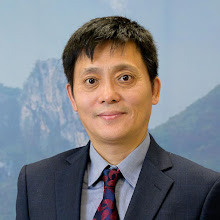
Tiejun Tang

Lung cancer is one of the most common cancers worldwide. The
most common type is non-small cell lung cancer (NSCLC).
In recent years, major progress has been made in the
treatment of NSCLC through targeted therapy. These medicines are
designed to block specific genetic changes that help cancer cells grow.
One of the most important targets is the epidermal growth
factor receptor (EGFR) gene. Many patients with NSCLC have mutations in
this gene. Drugs that block EGFR can slow the growth of cancer cells and
significantly improve outcomes for these patients.
Common EGFR-targeted drugs
include: Gefitinib, Erlotinib, Osimertinib
These medications have greatly improved treatment results.
However, there are still important challenges.
Most patients eventually develop drug resistance,
meaning the cancer begins to grow again despite treatment. This usually happens
after 8–16 months of therapy [1]. In addition, some patients
experience treatment-related side effects. Because of these limitations,
researchers are exploring new strategies to improve treatment outcomes. One
promising approach is the integration of Traditional Chinese Medicine (TCM)
with modern targeted therapy.
Traditional Chinese Medicine has been used for thousands of
years and includes treatments such as:
Chinese herbal medicine, Acupuncture,
Dietary therapy, Lifestyle regulation. Unlike
many modern drugs that act on a single biological target, Chinese herbal
formulas contain multiple active compounds that can influence several
biological pathways at the same time.
Because of this multi-target effect, researchers believe
that TCM may help:
- enhance
the effectiveness of cancer treatments
- reduce
treatment side effects
- support
immune function
- improve
overall quality of life
In recent years, increasing scientific research has begun to
explore how TCM may work together with targeted cancer therapies [2,3].
How Chinese Herbal Medicine May Support Targeted Therapy
Researchers have identified several possible mechanisms
through which Chinese herbal medicine may enhance the effects of EGFR-targeted
therapy.
1. Improving the Sensitivity of Cancer Cells to Targeted
Drugs
Some natural compounds appear to make cancer cells more
sensitive to targeted therapy.
For example, studies have shown that shikonin, a
compound derived from traditional medicinal plants, may enhance the anti-tumor
effect of Gefitinib. Laboratory studies suggest that it works by blocking key
cancer growth signals inside the cell [4].
2. Blocking Additional Cancer Growth Pathways
Cancer cells often use multiple signaling pathways to
survive. Some herbal compounds may help block these pathways.
One well-known compound is curcumin, a natural
substance found in turmeric. Research suggests that curcumin can:
- slow
cancer cell growth
- promote
cancer cell death
- reduce
activation of EGFR signaling
- reduce
certain digestive side effects associated with targeted therapy [5]
Another compound, Astragaloside IV, extracted from
the traditional herb Astragalus (Huangqi), has also demonstrated
anti-cancer activity in laboratory studies. It appears to slow the growth and
spread of lung cancer cells and promote cancer cell death through specific
cellular pathways [6].
A further natural compound, resveratrol, derived from
Polygonum cuspidatum (Huzhang), has also shown anti-tumor effects in
lung cancer cells by influencing proteins involved in cell survival and
apoptosis [7].
3. Supporting the Immune System
Cancer develops within a complex biological environment
known as the tumor microenvironment. This environment includes immune
cells, signaling molecules, and surrounding tissues that interact with cancer
cells.
Some Chinese herbal formulas may influence this environment
and help regulate immune responses.
For example, a traditional formula known as Fei Liu Ping
has been shown in experimental studies to affect immune regulation within
tumors. Research suggests it may reduce certain immune cells that suppress
anti-tumor immunity, potentially helping the body better fight cancer [8].
Clinical Evidence for Combining TCM with Targeted Therapy
In addition to laboratory research, several clinical studies
have examined whether Chinese medicine can improve outcomes when used alongside
EGFR-targeted therapy.
One large randomized clinical trial involving 354
patients with advanced lung adenocarcinoma compared two groups:
- patients
receiving EGFR-targeted therapy plus Chinese herbal medicine
- patients
receiving EGFR-targeted therapy plus placebo
The study found that patients who received herbal treatment
experienced:
- longer
progression-free survival (their cancer remained stable for longer)
- higher
treatment response rates
- better
quality of life
- fewer
mild treatment-related side effects [9]
Another analysis combining 13 clinical trials involving
899 patients found that several Chinese herbal injections used together
with EGFR-targeted therapy improved treatment response rates compared with
targeted therapy alone [10].
These findings suggest that integrative approaches may
provide additional benefits for some patients.
Why Integrative Medicine May Be Beneficial
Traditional Chinese Medicine takes a holistic approach
to health, focusing on restoring balance within the body and strengthening the
body's resistance to disease.
When used alongside modern cancer treatments, TCM may help:
- support
the immune system
- improve
treatment tolerance
- reduce
side effects
- enhance
overall wellbeing
However, it is important to emphasize that TCM should not
replace standard cancer treatments. Instead, it may be used as a complementary
therapy under professional supervision.
The Need for Further Research
Although current research is encouraging, more high-quality
studies are still needed.
Future research should focus on:
- identifying
the most effective herbal formulas
- understanding
how herbal compounds interact with targeted drugs
- establishing
optimal integrative treatment protocols
- confirming
long-term safety and effectiveness
Large, well-designed clinical trials will help clarify the
role of Traditional Chinese Medicine in modern cancer care.
Conclusion
Targeted therapies have significantly improved the treatment
of non-small cell lung cancer, particularly for patients with EGFR mutations.
At the same time, growing evidence suggests that Traditional Chinese Medicine
may enhance the effectiveness of these treatments while improving patient
wellbeing.
Integrating carefully selected Chinese medicine therapies
with modern targeted treatments may represent a promising approach for
improving outcomes in patients with lung cancer.
Patients interested in this approach should always consult
qualified healthcare professionals experienced in both oncology and Traditional
Chinese Medicine.
References
- Absenger
G. Resistance to epidermal growth factor receptor tyrosine kinase
inhibitors in mutated non-small cell lung cancer. MEMO.
2019;12:128-135.
- Tang
M, Wang S, Zhao B, et al. Traditional Chinese Medicine prolongs
progression-free survival in EGFR-TKI treated NSCLC patients. Med Sci
Monit. 2019;25:8430-8437.
- Wang
Y, Wu G, Li R, et al. Chinese medicine combined with EGFR-TKIs prolongs
survival in NSCLC patients with EGFR mutations. Front Public Health.
2021;9:677862.
- Tang
J, Ren Y, Zhao J, et al. Shikonin enhances sensitization of gefitinib
against NSCLC via inhibition of PKM2/STAT3/cyclin D1 pathway. Life Sci.
2018;204:71-77.
- Lee
J, Lee Y, Chang G, et al. Curcumin induces EGFR degradation and enhances
gefitinib therapy. PLoS One. 2011;6:e23756.
- Jia
S, Lv D, Zhang S, et al. Astragaloside IV inhibits NSCLC progression
through Akt/GSK-3β/β-catenin pathway. Oncol Res. 2019;27:503-508.
- Wright
C, Iyer A, Yakisich J, et al. Anti-tumorigenic effects of resveratrol in
lung cancer cells. Curr Cancer Drug Targets. 2017;17:669-680.
- Wang
Z, Li M, Bi L, et al. Traditional Chinese Medicine in regulating tumor
microenvironment. Onco Targets Ther. 2024;17:313-325.
- Jiao
L, Xu J, Sun J, et al. Chinese herbal medicine combined with EGFR-TKI in
advanced lung adenocarcinoma: randomized controlled trial. Front
Pharmacol. 2019;10:732.
- Yuan
J, Yan M, Wu T, et al. Chinese herbal injections combined with EGFR-TKIs
for NSCLC: systematic review and meta-analysis. Front Pharmacol.
2025;16:1670501.


No comments:
Post a Comment