Welcome

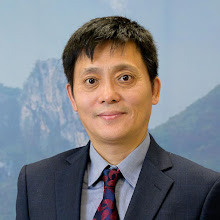
Traditional Chinese medicine (TCM) has thousands years history. It has unique basic theories and diagnostic methods. It is a very effective therapy in treating many chronic diseases and some acute diseases. If you are interested in TCM, welcome to pop in to this TCM forum, let's discuss on any topic about Chinese herbal medicine and acupuncture. You are welcome to visit my clinic at 17 Hanover square London. W1S 1BN

Monday, 5 September 2016

FSN – A Magical Acupuncture for Pain Release

Tiejun Tang

FSN is an abbreviation of Fu's Subcutaneous Needle. It is a relatively new acupuncture technique invented by Dr.Zhonghua Fu in 1996. In the past 20 years this new technique has had a rapid development in China and is gradually getting more and more popular around the world.  
Originating from Traditional Chinese Medicine (TCM), FSN does not follow the rules and principles of TCM, and the chosen insertion points do not coincide with traditional acupuncture points. Although both needles are manipulated and act on soft connective tissue, FSN involves the insertion of a special patent needle horizontally in and around the affected area, rather than perpendicularly in way of meridians.
Although FSN’s clinical indications include the treatment of many diseases and their symptoms, the treatment of pain related diseases are most effective in my practice. It has shown much better effect compared to ordinary acupuncture. In acute conditions, FSN usually can release the pain immediately after the first session, whilst in chronic conditions it also showed a significant improvement after a few sessions. I have found that many pain cases which failed in ordinary acupuncture could be relieved by FSN. The reasons for the pain could be due to different diagnosis including: sciatica, lumbar muscle over strain, tennis elbow, golf elbow, cervical spondylosis, carpal tunnel syndrome, frozen shoulder, fibromyalgia, migraine, stomachache and dysmenorrhea.
FSN is an innovation for the treatment of myofascial pain and trigger points based on the research and clinical findings of Dr. D. Simons and Dr. Janet G. Travell. The effects that FSN have on the body are by means of mechanotransduction as the swinging of the needle triggers a response on the connective tissue, specifically the collagen fibres, by stimulating signal transduction and gene expression in fibroblasts of the subcutaneous tissue.[1] A drawing or magnetic effect on connective tissue has been observed upon needle manipulation as the contraction and shape changes of fibroblasts cause pulling of collagen fibres and secondary alignment of fibroblasts and collagen fibres.[2] During manipulation of the needle, collagen fibres would wind and tighten around the needle shaft,and dispersing of nociceptive substances and PH balance has also been observed in skeletal muscles[3] . The mechanisms of FSN still need further investigation.
The inventor of FSN Mr. Zhonghua Fu is a long term friend and colleague of mine. We used to work in the same University hospital 20 years ago. He was a very clever and diligent young man when I met him and he has dedicated himself to the invention and developmentof FSN since then.
I had serious concerns when I first encountered FSN, even doubting its effect, because it is so different from traditional acupuncture. In the past 20 years Zhonghua gradually changed my opinion on FSN by his excellent work. After I applied FSN on my patients, the magical results convinced me of its effectiveness. The use of FSN gives greater confidence that successful pain mitigation will be achieved.
Reference :

  1. Langevin, H.M. "Subcutaneous tissue fibroblasts cytoskeletal remodeling induced by acupuncture: evidence for a mechanotransduction-based mechanism". J Cell Physiol 2006; (3) 207
  2. Langevin, H.M..  "Mechanical signalling through connective tissue: A mechanism for the therapeutic effect of acupuncture". 2001; FASEB J (1) 15.
  3.  Anderson, G.B.  "Epidemiological features of chronic low back pain". 1999; The Lancet (1) 354

Saturday, 2 July 2016

Why NICE is wrong?

Tiejun Tang


On 24 March, the National Institute for Health and Clinical Excellence (NICE) released a draft of its updated guideline. Acupuncture, recommended in the previous version was no longer being recommended for the treatment of non-specific low back pain and sciatica.

Acupuncturist across the UK have expressed serious concerns regarding the correctness of the findings expressed in this revised guideline, and formal responses have been made by primary stakeholders such as ATCM and BAcC. Research evidence, clinical case records and statistical analysis have all been collated and provided to NICE, electronically, in hard copy, and verbally at the NICE Public Board Meeting on 18th May, by representatives of the above professional bodies

Why NICE is wrong in this case?    

Firstly, measures applied to the assessment of effectiveness of a pain killer are not appropriate for the assessment of a therapy such as acupuncture.

Pain killer is a fixed production, each tablet has the exactly same chemical component, the same doses, of course it will produce the same effect on human whom suffer from the same disease. Acupuncture is not a production, it is a therapy. Although all acupuncture treatment looks similar, practitioners just simply insert needles into skin, but the acupoints selection is different, the depth, angles and manipulation are much different. Acupuncture is a therapy which depends on the technique and knowledge of individual practitioner. The effects of acupuncture are varied. How can we evaluate acupuncture effect just based on few clinical trial reports?

The comparison of a pharmaceutical intervention against a placebo can give a representative and absolute analysis of the effectiveness of that pharmaceutical, but the efficacy of a therapy cannot be confirmed in such a manner, as the therapeutic results are entirely dependent on the case by case treatment administered by the practitioner. The so called placebo or ‘sham’ treatment is effectively an attempt at consistent malpractice on the part of the practitioner. Appendectomy is recommended by NICE for acute appendicitis treatment, but if the operator is a physician or an acupuncturist nobody will recommend this operation.

Secondly, side effects should be taken in to account when assessing the effectiveness of a treatment.

Pain killers usually have very good effect after taken or injection. But its side effect shouldn’t be ignored. In clinical we often found some pain killers released joint pain or headache but it cause stomachache or liver function damage. From paracetamol to tramadol and morphine, their side effect is proportional to their function. Better effect always along with stronger side effects. Long term use pain killer will lead another problem – addiction. Acupuncture can reduce the doses of pain killers and even can replace the pain killer that is why it was widely accepted by patients all over the world. If NICE stop recommend acupuncture for treat low back pain, more patient will suffer from the side effects of pain killers.

Thirdly, there is the cost dimension.

The cost of direct health care for back pain in the UK in 1998 was estimated to be £1,632 million[1]. The management of chronic back pain amounting to 4.6 million appointments per year or 793 full time GPs at a cost of £69 million[2]. This is on the basis of the current shared workload between General Practitioners and Acupuncturists. If NICE stop recommend acupuncture in low back pain treatment this number will be definitely higher in the future.

NCEI had made a lot right direction to the public health in the past 17 years, but this time I have to say they are completely wrong. They should reconsider their conclusions in respect of acupuncture for low back pain and sciatica. Otherwise it will mislead public to the wrong direction of their treatment.

Reference
1.      Maniadakis, N. The economic burden of back pain in the UK. Pain. 2000; 84(1): 95–103.

Saturday, 12 March 2016

6 reasons why acupuncture need herbs

Tiejun Tang
Acupuncture is an effective therapy and it is getting more and more popular in the world. The World Federation of Acupuncture-Moxibustion Societies spent 3 years investigating 202 Countries and regions, and found that there are 183 countries which have acupuncture in practice. Most of the World’s acupuncturists in the world apply acupuncture on it’s own, they never use herbs. Only a small proportion of practitioners combine acupuncture and Chinese herbal medicine together.  Is it necessary to combine herbs during the acupuncture treatment?  The answer is yes. I will tell you six reasons why acupuncture need herbs:
1) History tells us that acupuncture is an inseparable part of traditional Chinese medicine. 
    It originated in China. Acupuncture and Chinese herbal medicine are based on the same philosophy, same diagnosis method and same treatment principles. They are inseparable in thousands of years of history. Like your left hand needs your right hand to be truly effective. 
2)  Every famous TCM master in history combined needles and herbs together in their clinical practice. 
      From Hua Tuo (145-208AD) and Zhang Zhongjing (150-219AD) to Sun Simiao (581-682AD) and Li Shizhen (1518-1593). They all are good at both acupuncture and herbs.
3)      Herbs can extend the effect time of acupuncture. 
     When treating most conditions the effect of acupuncture effect lasts from a few hours to a few days. The treatment effect is unlikely to last a whole week. Some patients feels better after acupuncture treatment, but 2-3 days later their symptoms come back. In China some patients get acupuncture every day or every other day to maintain the effects, but it is very difficult to have such frequent acupuncture sessions for most patients. Chinese herbs can enhance the effect of acupuncture and extend the effect time.
4)      Herbs can expand the scope of indications of acupuncture
     Although acupuncture can treat many diseases, there are still some diseases for which acupuncture is not suitable, or cannot be relied upon solely. Acupuncture is superior for treating musculoskeletal pain, emotional disorder and functional disorder of internal organs, but if there is organ function failure and in some severe conditions, acupuncture must be combined with herbs to achieve good effect.    
5)      Scientific evidence shows acupuncture and herbs can enhance each other.  
      Randomized clinical trial showed acupuncture combined with herbs will lead to better treatment results[1]. Laboratory research shows that the combination of acupuncture and Chinese medicinal herbs can significantly enhance curative effects in treating model rats with PCOS[2]. Other research results indicated that acupuncture has a synergistic effect on the pharmacokinetics of Chinese herb medicine [3].
6)      Multiple treatments are more convenient and flexible to the patients. 
      Some patients are too busy to have weekly acupuncture treatment or they have to terminate their treatment because of a business trip or holiday. Some patients live too far from a practitioner.   In these situations they can take some herb tablets or powders so we can still bring the symptoms under control until the disease is cured.

In clinical work acupuncture and herbs can be applied separately for some conditions, but under most circumstances better effect will be achieved if combined together. To develop hand analogy; some things you can do with your left hand or right hand only, but you must do most things with both hands. Two hands always can do better than one hand.

Reference

  1. You XM. Randomized Clinical Trial Comparing Efficacy of Simo Decoction and Acupuncture or Chewing Gum Alone on Postoperative Ileus in Patients With Hepatocellular Carcinoma After Hepatectomy.  Medicine  (Baltimore). 2015;  94(45):1968
  2. Ma RJ Combination of acupuncture and Chinese medicinal herbs in treating model rats with polycystic ovary syndrome. Afr J Tradit Complement Altern Med. 2011;8(4):353-61.
  3. Wu X. ,Comparative pharmacokinetics and tissue distribution of schisandrin, deoxyschisandrin and schisandrin B in rats after  combining acupuncture and herb medicine (schisandra chinensis). Biomed Chromatogr. 2014; 28(8):1075-83

Friday, 11 December 2015

How can we help urinary disorders?

Tiejun Tang
Urinary disorder is not a single disease. It includes many common diseases.  Urinary tract infections (UTI) are more common in women than in men. It's estimated that half of all women in the UK will have a UTI at least once in their life. Men are not luckier than women, because prostate diseases became the other group of common urinary disorders including prostatitis, benign prostatic hyperplasia (BPH) and prostate cancer. The prevalence of prostatitis is 2.2-9.7% of adult men. For men by age 60, over one-half have BPH; by age 85, the number climbs to 90%, according to the American Urological Association. Prostate cancer is the most common cancer in men in the UK, accounting for 25% of all new cases of cancer in males.

Different urinary disorder diseases show different clinical symptoms:
Ø  UTI:  frequent, urgent and painful urine; a burning sensation when urinating; urine colour appears darker or cloudy.
Ø  Prostatitis:  discomfort, pain or aching in testicles, or the area between testicles and perineum, or the tip of penis; discomfort, pain or aching in the lower abdomen; urinate frequently or urgently; pain or stinging during or after urinating; lack of libido.
Ø  Prostatic hyperplasia: age over 60; trouble getting a urine stream started and completely stopped; often feeling like need to urinate; a weak urine stream; a sense that the bladder is not completely empty after urination.
Ø  Urinary tract stone: lower back orlower abdominal pain, which can often be severe; pain or difficulty when urinating, frequent urination, and at night; cloudy or blood in the urine.
Ø  Bladder prolapse: discomfort or pain in the pelvis; tissue protruding from the vagina; difficulty urinating; feeling that the bladder is not empty immediately after urinating; urine leakage during sneezing or coughing; painful intercourse.

The main reasons of UTI and prostatitis are bacterial infections or any other infections of sexually transmitted diseases (STD). Prostatic hyperplasia and cancer often result from long term prostatitis. Bladder prolapse is related to excessive sex and multiple labours.

TCM Perspective

Traditional Chinese medicine believes that the kidneys dominate the water metabolism. All the problems of bladder, ureter and prostate are related to the kidneys. The symptoms of UTI and prostatitis are due to bladder dampness and heat. The treatment principle is to expel dampness and clean away the heat. Prostatic hyperplasia is due to kidney deficiency arising from the aging process. Invigorating the kidney will benefit the urination. Bladder prolapse and other pelvic organ prolapse (POP) are due to sinking of the Qi in the spleen and stomach. The treatment principle is lifting qi of middle jiao.

Many acupuncture points have a very good function of regulating urinary disorder. Taixi(KI3), Sanyinjiao(SP6), Zhonngji(RN3) and Shuidao(ST28) just to name a few. A randomized controlled clinical trial suggest that women who received 4 weekly bladder specific acupuncture treatments had significant improvements in bladder capacity, urgency, frequency, and quality-of-life scores as compared with women who received placebo acupuncture treatments[1].

Bazheng San is a very effective traditional formula for cleaning bladder damp-heat. It is widely applied to treat UTI and prostatitis when antibiotics don’t work. Some randomized controlled trials suggest that Chinese herbal medicine was superior to western medication in improving quality of life and reducing prostate volume[2].


No matter what kind of urinary disorder, TCM always can find a right method to solve the problem or relive the symptoms. Some treatment mechanisms have been proved by modern science, some still undiscovered. If you have any of the above urinary disorder, contact your TCM practitioner. 


Reference

  1. Emmons SL. Acupuncture for overactive bladder: a randomized controlled trial.Obstet Gynecol. 2005; 106(1):138-43
  2. Ma CH. Efficacy and safety of Chinese herbal medicine for benign prostatic hyperplasia: systematic review of randomized controlled trials.Asian J Androl. 2013;15(4):471-82. 

Saturday, 28 November 2015

How can we help stroke sequelae & rehabilitation?

Tiejun Tang


In the UK, strokes are a major health problem. Every year, around 110,000 people have a stroke in England and it is the third largest cause of death[1]. The treatment of and productivity loss arising from stroke results in total societal costs of £8.9 billion a year, with treatment costs accounting for approximately 5% of total UK NHS costs[2]. More than half of the costs are incurred on rehabilitation of following strokes.
After survival from the acute stage, stroke patients usually will be discharged from hospital. Patients still have hemiplegia, numbness in one side of the body, distortion of the face and tongue, slurred speech or dysphasia. A long term rehabilitation care and treatment is very necessary. Good treatment can greatly improve the symptoms of stroke sequelae, in many cases patients can return completely back to normal. If there is no treatment or inappropriate treatment in sequelae stage, patients will have a high risk of a second and even worse stroke.   
There are two main causes of stroke:  The ischemic cerebrovascular disease accounts for 85% of all cases, others are hemorrhagic cerebrovascular disease. Some risk factors are main reasons of these two acute cerebrovascular attacks. Include: high blood pressure, high cholesterol, diabetes, obesity, smoking, drinking excessive alcohol, lack of exercise and emotional stimulation which may cause a temporary rise in blood pressure.

TCM Perspective
Stroke in TCM is called Zhong Feng. It means attacked by wind. It is an internal wind, which is caused by liver yang excess and/or kidney yin deficiency. In some cases healthy qi deficiency and blood stasis or wind phlegm obstruction can became the main reasons.
Acupuncture especially electric acupuncture and scalp acupuncture can help to reduce muscular atrophy and improve the myodynamia. A randomized controlled clinical trial showed acupuncture can significantly increase cerebral blood flow velocity of post stroke patients[3]. Another 3 clinical studies also suggest that acupuncture increases quality of life and improves mobility and activities of daily living [4].
Buyang Huanwu Decoction is a famous traditional Chinese medicine formula, and has been used extensively in the treatment of stroke for centuries. Many clinical trial and experimental studies suggest this decoction can benefit strike sequelae through many molecular mechanisms[5].
In the acute stage of stroke, western medicine must be the first choice, but in the sequelae stage Chinese medicine should be a better choice. The effect of acupuncture and herbs can enhance each other.  Chinese Tuina massage or acupressure also can help a lot in the rehabilitation of hemiplegia.
Reference:
2.      Omer Saka. Cost of stroke in the United Kingdom. Age Ageing (2009) 38 (1): 27-32.
3.      Ratmansky M. The Effects of Acupuncture on Cerebral Blood Flow in Post-Stroke Patients: A Randomized Controlled Trial. J Altern Complement Med. 2015 Nov 16
4.      Farmer C. Bringing holistic treatments to the attention of medicine: acupuncture as an effective poststroke rehabilitation J Evid Based Complementary Altern Med. 2015; 20 (2):120-5

5.      Guo Q.  A Systems Biology Perspective on the Molecular Mechanisms Underlying the Therapeutic Effects of Buyang Huanwu Decoction on Ischemic Stroke. Rejuvenation Res. 2015; 18(4):313-25. 

Monday, 23 November 2015

Stress, Depression, Anxiety and TCM treatment

Tiejun Tang

Stress, depression and anxiety are three different mental health disorders.

Stress is the most common condition, nearly everyone experiences stress at one time or another. According to the findings from the Office for National Statistics (ONS), nearly one-fifth of adults in the UK experience anxiety or depression.
The clinical manifestations of these three emotional disorders are different;

Stress is the feeling of being under too much mental or emotional pressure. It can cause a lot of physical symptoms including: low energy, headaches, stomach upset, diarrhoea, constipation and nausea, aches, pains, and tense muscles, chest pain and rapid heartbeat, insomnia and low libido.

Depression is a mood disorder that causes a persistent feeling of helplessness, hopelessness and sadness and loss of interest in daily activities, anger or irritability, appetite or weight changes, sleep changes, loss of energy, self-loathing and reckless behaviour.

Anxiety is a feeling of unease, such as worry or fear. The clinical symptoms vary depending on the type of anxiety disorder, but generally include: Feelings of panic, fear, and uneasiness, sleeping disorder, cold or sweaty hands and/or feet, shortness of breath, palpitations, restlessness, dry mouth, numbness or tingling in the hands or feet.

Living in modern society everybody has to face a stressful life of working or studying. Long term stress often causes depression and anxiety.  Many other reasons also can lead to depression and anxiety, including marital or relationship problems, unemployment, alcohol or drug abuse, early childhood trauma or abuse, health problems or chronic pain and family history.

TCM Perspective

Traditional Chinese medicine believes these diseases are caused by seven emotions disorder. In ancient classic text these conditions have been diagnosed as Yu Zheng. In TCM most of depression and irritable moods are due to liver qi stagnation; most of sleeping problems and palpitation are due to heart shen disturbance or heart qi deficiency; some symptoms of the digestive system are due to spleen and stomach disharmony.

Acupuncture can regulate the function of these internal organs by 

stimulating certain points on certain meridians. A systematic review and meta-analysis study suggests that acupuncture combined with antidepressant medication is effective, has an early onset of action, safe and well-tolerated over the first 6-week treatment period [1]. In depression treatment, a cost-effectiveness analysis study from UK suggests that acupuncture is cost-effective compared with counselling or usual care alone [2].

Chinese herbs also can have good effect in relieving depression and anxiety symptoms. Some antidepressant-like effects were obtained from ethanolic extract of Chinese herb Suanzaoren and Hehuan[3]. These antidepressant-like extracts come from natural herbs; they don’t have any side effects unlike synthetic antidepressants.

Generally speaking TCM can be very helpful in the treatment of stress, depression and anxiety and is therefore a better alternative option.

Reference:
  1. Chan YY. The benefit of combined acupuncture and antidepressant medication for depression: A systematic review and meta-analysis. J Affect Disord. 2015 May 1;176:106-17.
  2. Spackman E. Cost-effectiveness analysis of acupuncture, counselling and usual care in treating patients with depression: the results of the ACUDep trial. PLoS One. 2014 Nov 26;9(11):e113726.
  3. Liu J. Antidepressant-like effect of the ethanolic extract from Suanzaoren & Hehuan Formula in mice models of depression. J Ethnopharmacol. 2012 May 7;141(1):257-64