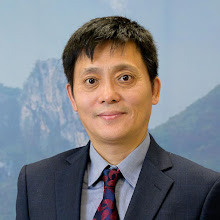
Welcome

Traditional Chinese medicine (TCM) has thousands years history. It has unique basic theories and diagnostic methods. It is a very effective therapy in treating many chronic diseases and some acute diseases. If you are interested in TCM, welcome to pop in to this TCM forum, let's discuss on any topic about Chinese herbal medicine and acupuncture. You are welcome to visit my clinic at 17 Hanover square London. W1S 1BN

Friday, 10 July 2015

How to treat menopause syndrome with Chinese herbal medicine?

Tiejun Tang

About 80% of women in the UK will experience menopausal symptoms in their lifetime. It might happen to women at the age of 45—55. In the UK, the average age for menopause is 52 years.

The main symptoms of menopause syndrome are: amenorrhea, hot flushesnight sweats, palpitations, depressionanxiety, headaches, insomnia, loss of libido, vaginal dryness and pain during the sex.

Western medicine treats menopause syndrome by symptoms management, usually sleeping pills were prescribed for insomnia and pain killers for headaches; it only can relieve some symptoms temporarily. Since 1950’ hormone replacement therapy (HRT) was applied to menopause treatment, external hormone was given by tablets, patches or implants. Although HRT can effectively release menopause symptoms, but there is evidence shown that it can increase the risk of cancer in the breast, womb and ovarian, it also leads to increased risk of blood clotting and stroke. Is there any medicine can release menopause symptoms without increasing these risks? The probability of Chinese herbal medicine is a good option.

Traditional Chinese medicine believes kidneys dominate the fertility and reproduction function of human body. Menopause is mainly due to kidney deficiency, hot flushes and night sweats which indicate kidney yin deficiency; palpitations and insomnia indicate disharmony between heart and kidney; depression and anxiety indicate liver qi stagnation; lower libido and vaginal dryness indicate kidney essence deficiency.

Each menopause case might have different clinical manifestations. Chinese medicine will select different herbs according to individual conditions. For Kidney yin deficiency Zhibai Dihuang Wan and Qinhao Biejia Tang will be applied; for heart and kidney disharmony Tian Wang Bu Xin Dan is a good choice; for liver qi stagnation Xiaoyao Wan is suitable. I only mentioned the name of these formulas, actually each formula contains many herbs, and each herb contained has many effective ingredients.   

All herbs come from natural plants, non- toxic, non- side effects, which are much safer than synthetic drugs. Pharmacology research showed many herbs contain isoflavones, lignans and coumarins. These ingredients have oestrogens like function, so they have been called phyto-oestrogens. That is why they show good effect on the menopause syndrome. I would like to recommend this natural HRT to all the menopausal ladies.

Reference:
Eden JA. Managing the menopause: phyto-oestrogens or hormone replacement therapy? Ann Med. 2001; 33(1):4-6.

Saturday, 4 July 2015

A classic formula for clean away summer heat

Tiejun Tang

The highest-ever temperature in Britain has been recorded. This Wednesday a temperature of 37.4C was recorded at Heathrow around 1.30pm, the London Weather Centre said. It is the hottest day in recent 25 years.

Most of people feel uncomfortable in these hot days. Many old and weak peoples were was fainting or unconsciousness. The London Ambulance Service said total calls on that day were up 28 per cent on the same period last week.

I would like to introduce a classic Chinese herb formula for fighting the hot weather. It will make you feels much better and safer in this hot summer.

This formula was original from Wang Meng Ying (AD1808-1868), a famous specialist of febrile diseases in Qing Dynasty. The formula named Qing Shu Yi Qi Tang (清暑益气汤).

The ingredients are: Xiyangshen (American ginseng) 5g, Shihu 15gMaimengdong 9gHuanglian 3gZhuye 6gHegen 6gZhimu 6gGancao 3gJingmi 15gXiguacuiyi 30g
Boiled with water and drink the decoction twice a day.

Note: the dosage usually various in individual person.

The function of this formula is: Clean away summer heat and benefit vital qi; Nourishing yin and promoting body fluid.

Indications are: Fever, excessive sweating, thirsty, restlessness, dark urine, fatigue, short of breath, irritable and lower mood.

Do you have any of above symptoms? Try this Chinese herbal decoction, it will make you feels much refresh and energetic in the hot summer. 

Tuesday, 10 February 2015

Can Acupuncture help to increase the success rate of IVF?

Tiejun Tang
Around one in seven couples may have difficulty conceiving. This amounts to approximately 3.5 million people in the UK. Many of those couples turn to IVF (In vitro fertilisation) in order to get pregnant. The first baby in the world conceived as a result of IVF was born in the UK in 1978. Through over 30 years practice and research the use of IVF became common in the treatment of infertility. Although this technique is continuously developing, its success rate still relatively low. According to NHS statistics in 2010 the IVF success rate in UK was:   
     32.2% for women under 35 
     27.7% for women aged 35-37 
     20.8% for women aged 38-39
    13.6% for women aged 40-42
         5% for women aged 43-44 
      1.9% for women aged over 44
How can the success rate of IVF be increased?  At least two options spring to mind.
Firstly, the patient should choose a good hospital or clinic, which has a long history of infertility treatment with IVF. Many of my clients have successfully become pregnant by using the services at the Centre for Reproductive and Genetic Health (CRGH), the IVF Clinic ARGC and University College London Hospital (UCH) in central London.
The second option is TCM (traditional Chinese medicine), including both acupuncture and Chinese herbal medicine.
Is it necessary to use acupuncture or Chinese herbs during the IVF? Does acupuncture really works or is it just a placebo? Patients often feel confused by the number of differing opinions. After a review of some research reports, the right answer should emerge.

The first report about acupuncture and IVF was published by Stener-Victorin[1]  in 1999.  The aim of the study was to evaluate the anaesthetic effect during oocyte aspiration. 150 women undergoing IVF were randomized to receive either electro-acupuncture or alfentanil. The result showed compared with the alfentanil group, the electro-acupuncture group had a significantly higher implantation rate, pregnancy rate, and take home baby rate; Paulus[2] (2002) reported that the use of body acupuncture and auricular acupuncture on the day of embryo transfer (ET), can increase IVF success rate. 160 patients were randomized, grouping them into an acupuncture group and a control group. Acupuncture and auricular acupuncture were administered 25 minutes before and after ET. The result showed that acupuncture group’s success rate was significantly higher than that of the control group. More randomised controlled clinical trials have been carried out since then. Some studies used similar acupuncture protocol to Paulus; Dieterle[3] did another session 3 days after ET; Westergaard[4] did one additional session 2 days after ET; and Smith[5] did one more session on day 9 of ovarian stimulation. Zheng[6] did a systematic review and meta-analysis on this topic. 24 trials (a total of 5,807 participants) were included in this review. The result showed that acupuncture could improve clinical pregnancy rate and live birth rate among women undergoing IVF.

However, some clinical trials showed different, negative results. El-Toukhy[7] reported acupuncture performed at the time of ET does not improve the pregnancy or live birth outcome. The Craig[8] report even showed that acupuncture performed off-site on the day of ET was detrimental to the success of the transfer. El-Toukhy[9] also did a systematic review and meta-analysis in which 13 relevant trials, including a total of 2500 women randomised to either an acupuncture group or a control group, were identified. The result showed that there is not sufficient evidence that adjuvant acupuncture improves IVF clinical pregnancy rate.

On 10th March 2010 British Fertility Society (BFS) issues new guidelines on the use of acupuncture and Chinese herbal medicine in fertility treatment. The guidelines found that there is currently no evidence that having acupuncture or Chinese herbal medicine treatment around the time of assisted conception increases the likelihood of subsequent pregnancy.

Why did these clinical trials show different results? My opinion is that the different treatment protocol resulted in different conclusions.

Acupuncture protocols are different in fowling aspects:

1)The treatment times were different: In El-Toukhy’s[7] report, 5 trials (n=877) acupuncture was performed around the time of egg collection (EC), 8 trials (n=1623) acupuncture was performed around the time of ET. Some reports maybe add 1 or 2 sessions after or before the day of ET.  
2) The acupuncture techniques were different: acupuncture, electric acupuncture and auricular acupuncture were applied in different research.
3)   The acupuncture point selection and manipulation were different in each trial.
4)   Most report only the use acupuncture, no herbs were involved.

The use of Traditional Chinese acupuncture to treat infertility has a long history. The first classic of acupuncture points HuangDi MingTang Jing (黄帝明堂经) (BC138-AD106) recorded 43 acupuncture points which were used to treat gynaecological diseases including Juezi (绝子, infertility). TCM believes fertility function was dominated by kidney. In females it has a close relation with qi and blood, and the function of the Chong and Ren meridians. Some acupuncture points and herbs can regulate the function of Chong and Ren, tonify the kidney and thereby improve fertility. Traditional Chinese acupuncture is often combined with Chinese herbal medicine. Recently Ried[10] reported that Chinese herbal medicine can improve pregnancy rates 2-fold within a 3-6 month period compared with Western medical fertility drug therapy. The effect of needles and herbs might enhance each other.

A good protocol of IVF treatment in Chinese acupuncture should be: 

  • 2 - 3 months before ovarian stimulation the patient should start acupuncture once a week. This treatment can balance hormone levels and create a more receptive environment in the womb for conception. During this period of treatment some of patients might get pregnant naturally.
  • During the ovarian stimulation acupuncture and herbs should be used to reduce the side effects caused by IVF drugs, improve response to hormonal stimulation.
  • One acupuncture session at an hour before EC, to alleviate the tension and pain during EC.
  • Two sessions of acupuncture about an hour before and after ET. Calm the uterus to prepare for implantation.
  • Two sessions of acupuncture in the first week after ET
  • During pregnancy, acupuncture once a week until week 12 in order to maintain the pregnancy and prevent miscarriage.

Treatment with acupuncture could be likened to the use of Western medical drugs: if used incorrectly, they will be ineffectual. For instance, if an antibiotic were taken by the patient in a much lesser dose or finished earlier than directed, the drug may not have the desired therapeutic effect. The same can be said of acupuncture treatment.

The most recent study[11] showed that acupuncture did not significantly improve the IVF clinical pregnancy rate when performed only at the time of ET. However, it was found that there was a pooled benefit for IVF when acupuncture was performed at the follicle phase and 25 min before ET, as well as 30 min after ET and at the implantation phase.

Acupuncture point selection is another important factor which can influence the success of IVF. In many clinical trials, the acupoints Sanyinjiao (SP6) and Hegu (LI4) were selected after ET. According to Chinese traditional acupuncture theory these two are “forbidden points” during pregnancy. Although there have been some differing opinions regarding to these two forbidden points in acupuncture history, a research paper by Liu[12]  showed that electric acupuncture on these points can activate the myoelectrical activities of the uterine tract in both non-pregnant and pregnant rats. I think these two points should be avoided after ET, in order to minimise the risk of miscarriage.

TCM can increase success rate of IVF in varying degrees. The significance of this influence will depend on the treatment protocol, point selection and manipulations. Correct treatment can provide the best conditions for effective results.

References :
  1.  Stener-Victorin E. A prospective randomized study of electro-acupuncture versus alfentanil as anaesthesia during oocyte aspiration in in-vitro fertilization. Hum Reprod. 1999; 14(10):2480-4.
  2. Paulus WE. Influence of acupuncture on the pregnancy rate in patients who undergo assisted reproduction therapy. Fertil Steril. 2002; 77 (4): 721-4
  3.  Dieterle S. Effect of acupuncture on the outcome of in vitro fertilization and intracytoplasmic sperm injection: a randomized, prospective, controlled clinical study. Fertil Steril. 2006;85(5):1347-51.
  4.  Westergaard LG. Acupuncture on the day of embryo transfer significantly improves the reproductive outcome in infertile women: a prospective, randomized trial. Fertil Steril. 2006; 85(5):1341-46.
  5.  Smith C. Influence of acupuncture stimulation on pregnancy rates for women undergoing embryo transfer. Fertil Steril. 2006; 85(5): 1352-58.
  6.  Zheng CH. Effects of acupuncture on pregnancy rates in women undergoing in vitro fertilization: a systematic review and meta-analysis.  Fertil Steril. 2012; 97(3):599-611. 
  7. El-Toukhy. A new study of acupuncture in IVF: pointing in the right direction. Reprod. Biomed.Online. 2010; 21(3): 278-9.
  8. Craig LB. Acupuncture performed before and after embryo transfer: a randomized controlled trial. J, Reprod. Med. 2014; 59(5-6): 313-20. 
  9.  El-Toukhy. A systematic review and meta-analysis of acupuncture in in vitro fertilisation. BJOG. 2008; 115(10): 1203-13.
  10. Ried K. Chinese herbal medicine for female infertility: An updated meta-analysis. Complement Ther Med. 2015; 23(1): 116-28.
  11. Shen C. The Role of Acupuncture in in vitro Fertilization: A Systematic Review and Meta-Analysis. Gynecol Obster Invest. 2015; 79 (1): 1-12.
  12.  Liu JL. Effect of electroacupuncture of different acupoints on myoelectrical activities of the uterus in rats. Zhen Ci Yan Jiu. 2007; 32 (4): 237-42.


Monday, 18 August 2014

What is the difference between traditional Chinese herbs and western herbs?

Tiejun Tang, Jasmin Mulvey
Herbs have been widely used to treat disease all over the world. In China, the use of herbal medicine (HM) became an important part of Traditional Chinese Medicine (TCM). In Europe and America HM gradually developed into Western Herbal Medicine (WHM). There are some commonalities and some differences between TCM and WHM. We compared the history, basic theory, function and clinic application of commonly used crossover herbs in TCM and WHM. Through this comparison we hope to build a bridge between Chinese and western herbalists, to exchange ideas and clinical applications of some crossover herbs.
History comparison
Human use of natural plants to treat illness can be traced back for thousands of years. Since the origin of humanity, our ancestors started to use herbs to relieve certain symptoms. The first classic about TCM theory is Yellow Emperor's Canon of Traditional Chinese Medicine (Huangdi Neijing). It was written during the Warring States Period (475 BC – 221 BC). Nearly at the same time, in ancient Greece Hippokrates (460 BC-370 BC) published the humoral theory which became the basis of WHM.
The first classic book about TCM herbs is Shennong's Herbal. It was written at early stage of Eastern Han Dynasty (AD25-220), 365 herbs were recorded in this book. The first classic of western herbs is De Materia Medica which was written between 50 --70 AD by Pedanius Dioscorides, a Greek origin Roman physician. About 600 plants were recorded. Both TCM and WHM have a long history, their basic philosophy was established at nearly the same time – about 2400 years ago.  
Basic theory comparison:                   
Eastern and western cultural differences determined that from their inception TCM and WHM were based on different theories. TCM is based on the theory of Yin/Yang, five elements, Qi/blood, Zang Fu and meridians, and all the herbs are classified in Four Natures (Cold, heat, warm and cool) and Five Flavours (sour, bitter, sweet, pungent and salty). The hot and warming herbs belong to yang, suitable to treat cold syndromes; the cold and cooling herbs belong to yin, suitable to treat heat syndromes. The five flavours are matched to the five elements and five zang organs (liver, heart, spleen, lung and kidney). Each herb has a selective function to some part of the body. It may have strong effect on one or some meridians, but has little effect on other meridians. This is called ‘channel tropism’. For example, many herbs are described as ‘heat clearing’, but because channel tropisms vary, Huanlian (Rhizoma Coptidis) is used to clear heart and stomach fire; Longdancao (Radix Gentianae ) is used to clear liver and gallbladder fire; and Huangqin (Radix Scutellariae) is used to clear lung heat.
In TCM the 5 elements are linked with internal organs, people’s emotions, seasons, weather and environment.
WHM is originally based on the theory of humoral medicine, four elements, Physio-medicalism and the interaction and function of the entire body as a whole terrain. A Holistic patient oriented approach.

The following results can be obtained from the above compare:

1)  The origin and history of TCM and WHM is similar. They both have a very long history.
2) Although they are based on different theories, TCM and WHM both believe the universe is composed of some basic elements. Compare TCM’s five elements and WHM’s four elements: we find three elements are exactly the same. 
3) TCM and WHM both believe these basic elements are connected to internal organs, and related to people’s moods or emotions, the seasons, weather and environment.
4) TCM and WHM both incorporate holistic concepts; they agree that the entire body functions as an organic whole.
5)  TCM and WHM have many similar or exactly the same indications for some herbs. For example: Angelica (Danggui) was used as a blood nutrition agent and a menstrual regulator and female tonic; Ephedra Ephedra sinica (Mahuang) was used to treat asthma.  
6)  For some other herbs TCM and WHM have some different indications. For example: In TCM Mint (Bohe) is used to expel early stage measles, but in WHM it was used as a spasmolytic in some conditions; Ginger (Sheng Jiang) is used to treat nausea & vomiting in both TCM & WHM, but it is also used as an anti-platelet and antipyretic in WHM. In TCM’s opinion it is a pungent & warm herb, only suitable for wind-cold syndrome, not suitable for wind-heat syndrome.
7)  To explain the functions of herbs, TCM uses more traditional theory and terminology like yin/yang; cold/heat; deficiency/excess; qi and meridians; WHM uses more modern medicine terminology like anti-inflammatory, anti-allergic, anti-microbial, anti-Ulcer, etc.

Modern medicine mainly uses chemical synthetic drugs to treat disease. A lot of side effects have been found for most pharmaceutical drugs. Many drugs works well to treat one disease but their side effects may cause new diseases. In some conditions drug addiction and drug resistance are difficult to avoid. Humans need an alternative approach to maintain their health and life. Herbal medicine is a wise choice.
Herbal medicine comes from natural plants; flowers, seeds, leaves, branches, roots and barks.  Compared to chemical synthetic drugs they are much safer and cause fewer side effects. Some herbs can reduce the side effects of chemical drugs when they are combined together. The effect of herbs has been proved by countless cases through thousands of years’ practice. In the east and west of the world, our ancestors leave us a great treasure – herbal medicine.   It is our inheritance and our responsibility to develop this treasure and hand it down to next generation.

TCM and WHM are two main branches of natural herbal therapy. From basic theory to clinical indications they have many similar opinions. For a long time, the practitioners of these two traditions lacked communication, they practiced separately, and did not know much about each other. We hope this crossover study between two different subjects will bring about some new ideas in both TCM and WHM.   

Monday, 12 May 2014

How to treat prolapsed internal organs with Chinese medicine?

Tiejun Tang

Internal organ prolapse is a common clinical condition. Pelvic organ prolapse (POP) is a common condition affecting many adult women. Prolapse can affect a variety of organs, for example, in women it can affect the uterus, vagina or bladder, while rectum prolapse can happen to both sexes. Except pelvic organs, prolapse also might happen in stomach or kidneys.

The clinical manifestations are various according to the effected organ. Uterus and vagina prolapse can cause irritation to vaginal tissues or pain during intercourse, as well as psychological stress; bladder prolapse can cause stress incontinence and difficulty in starting to urinate; rectum prolapse can cause trapped stool, anus pain, pressure, and constipation; stomach prolapse can cause reduced appetite, bloating, nausea, constipation or loose stool; kidney prolapse can cause lower back pain, microscopic hematuria and urinary tract infection. Irrespective of where the prolapsed is, most patients will suffer from fatigue and prolapse sensation in the pelvis or abdomen.

Western medicine will mainly treat internal organ prolapse by surgical operation. A newer option is laparoscopic surgery. These operations maybe cause some complications such as urinary tract infection, temporary or permanent incontinence, infection, bleeding and some women may even develop chronic irritation or pain during intercourse from a suture or scar tissue. There is also a risk of recurrence after operation.

The Chinese medicine theory believes that the spleen dominates muscles. All the internal organs are fixed by smooth muscles to keep them in the normal position. Organs prolapse due to the sinking of the Qi of the middle Jiao, meaning the Qi sinking in the spleen and stomach.
Therefore, Chinese medicine aims to treat the prolapsed organs with the same treatment principle – i.e. lifting the Qi of middle jiao by tonifying the spleen and benefit Qi. Lifting spleen Qi can lift prolapsed organs. There is a famous herbal formula called Bu Zhong Yi Qi Tang and it is the first choose for this condition. This formula contains eight ingredients; the most important ingredient is Huangqi (Radix Astragli) and it must be used in high doses.  Amendments to the original formula are always necessary according to the individual case.

Acupuncture is also significantly effective in lifting spleen Qi. Some acupoints on the spleen and stomach meridian can be selected, like SP10, SP6, ST36, ST25. Some local points on Ren meridian can be selected, like RN12, RN6, RN4 and RN3. All the points should apply tonifying manipulation.

Chinese medicine has adopted this method to treat prolapsed organs since Jin Dynasty (1115 – 1234AD) and there were a great number of successful cases recorded in classic literature. Personally, I have also treated many successful cases in my own practice. A good combination of herbal decoction and acupuncture will see increased effectiveness in lifting prolapsed organs.

Thursday, 10 April 2014

Silent myocardial ischemia and its Chinese medicine treatment

Tiejun Tang
Silent myocardial ischemia (SMI), also called asymptomatic myocardial ischemia, is the most common manifestation of coronary heart disease. SMI patients do not seek medical attention as often as angina pectoris patients because SMI does not necessarily cause severe chest pains. Hence the necessary diagnostic procedures such as blood tests, ECG and heart scan are left undone. This places SMI patients under a higher risk of experiencing a sudden and possibly fatal cardiac event. Some cases have been diagnosed as myocardial infarction after been sent to hospital, some cause sudden death. If the myocardial ischemic is emerged in the heart, no matter patient felt pain or not, the potential risk is the same. I would like to remind people, SMI is a silent killer!
Asymptomatic mean no symptom literally. But it does not mean patients didn’t have any symptoms at all. Actually it only means no chest pain. Some SMI patients might experience chest tightness, palpitation and short of breath sometimes, especially after exercise. A person experiencing any of the above symptoms should contact their GP.
Traditional Chinese medicine believes most chest pain and palpitation might due to Qi stagnation and/or blood stasis in heart meridian, or heart yang deficiency. From Han dynasty, Zhang Zhong Jing (AD150-219) applied Gualou Xiebai Tang to treat chest pain due to heart yang deficiency. In Qing dynasty, Wang Qingren (1768-1831) used the herbal formula Xuefu Zhuyu Tang or Buyang Huanwu Tang to treat the chest pain and stroke. Scientific research has approved many Chinese herbs and formulas can improve myocardial ischemia through different methods of action in the body (Refer next paper in this blog).
Kaixin capsule is a patent medicine, combining several herbs, especially developed for treating SMI. The formula was developed from one of my tutor Professor Chen Jinghe. In the 1990s’ I spent three years investigating anti-myocardial ischemia mechanism of the Kaixin capsule through laboratory and clinical research. My research results showed that Kaixin capsule can effectively reduce the risk of myocardial ischemia as well as lower the blood lipid levels.   
Wholism is the characteristic of traditional Chinese medicine, thus one herbal formula consists of several herbs in order to address all aspects of each individuals health condition. Each herbal ingredient plays a unique role, and the choice of herbs and dosage is determined on an individual basis.   
Recently I received a question in the internet could a patient with an elevated ST segment in their ECG reading benefit from Chinese herbs. Elevation of a ST segment indicates myocardial infarction. I replied that even though this is an emergency and requires hospital care, Chinese herbs can be used to improve the insufficient coronary artery circulation, and release the tightness or pain in the chest. Chinese herbs can also be used to reduce high blood pressure and to regulate blood lipid levels.
Sometimes ECG still shows ischemic changes after a coronary bypass operation, PTCA or coronary stents accompanied with chest tightness and shortness of breath. This is believed to be related to re-narrowing of a coronary artery. Also these conditions can be treated like SMI in Chinese medicine.
Apart from Chinese herbal medicine acupuncture also shewed a good effect in MI. (Refer: http://www.plosone.org/article/info%3Adoi%2F10.1371%2Fjournal.pone.0094604 )

Be aware of the risks of SMI, take care of your heart, take care your life.

Monday, 7 April 2014

The latest research review on Chinese herbs of anti myocardial ischemia

Tiejun Tang, Louise Helen Booker


Coronary heart disease (CHD) is the UK's biggest killer. Although western medicine has achieved a lot progress in treating CHD, it is still causing around 82,000 deaths each year. About one in five men and one in eight women die from the disease. In traditional Chinese medicine many herbal remedies have showed a good effect on treating angina. Many laboratory studies have been done to investigate the mechanism of treating myocardial ischemia (MI). I published a research review on this topic many years ago (Tang, T. 2003). Many progressive new reports have been published in the last 5 years. For a clinical practitioner these research updates will provide a helpful reference in treatment of CHD. For researchers and students it can provide a useful reference for future research projects. As for the general public, it has displayed some scientific evidence for Chinese herbs in treating ischemic heart disease.

1. Research on individual herb and plant monomer  
 Danshen (Salvia miltiorrhiza) is a very commonly used traditional Chinese herb in treating heart disease. It contains many sub fractions, which are mainly Tanshinone, A, B, Salvianolic acid A (SAA), and Salvianolic acid B (SAB). In an in vivo study, rat MI model was induced by permanent left anterior descending coronary artery ligation. The results showed Tanshinone IIA attenuates the MI pathological changes and improves heart function, and reduces expression of MCP-1, TGF-β1 and macrophage infiltration. It could also decrease the expression of TNF-α and activation of nuclear transcription factor-kappa B (Z.H.Ren, 2010).        Researchers applied a myocardial infarct rats model. The rats were given different concentrations of SAA. Immunohistological analysis was performed to measure vascular endothelial growth factor and vascular endothelial growth factor receptor-2 expressions. The secretion of matrix metalloproteinase type X was evaluated in serum of post-ischemic rats. The result showed SAA potentiated the ischemia induced neovascularization. These findings show that SAA has potent proangiogenic properties by promoting the expression of proangiogenic factors (Yujuan Li, 2014).  Another study shows SAB also can markedly and dose-dependently reduce fibrinogen and malonaldehyde levels, increase the HDL level, improve blood viscosity and plasma viscosity in MI rabbits (Qian Yang, 2010). A study applied an RT-PCR and Western blot method to detect p38 MAPK gene expression. The result suggests that Tanshinone IIA play a role in protection cardiomyocytes from ischemic and hypoxic injury. The effect is based on inhibiting miR-1 expression through p38 MAPK signal pathway (Zhang, Y. 2010).
 Asperosaponin VI is a saponin from Chinese herb Xuduan (Dipsacus asper). A study investigated the anti-MI effects of Asperosaponin VI both in vivo and in vitro. The results suggested that it could provide significant cardioprotective effects against acute MI in rats. These mechanisms might be attributed to scavenging lipid peroxidation products and reactive oxygen species, increasing antioxidant defence enzymes and preventing mitochondrial damage (Chunmei Li, 2010).
Angelica sinensis polysaccharides are an active ingredient extracted from Danggui (Angelica sinensis). The cardioprotective effects were evaluated by using MI/reperfusion rats.  A.sinensis polysaccharides treatment significantly reduced myocardial infarction size, enhanced CT-1 and antioxidant enzymes activity, down regulated caspase-12 mRNA expression in rats (Song Zhang, 2010).
Juemingzi (Semen Cassiae) was proved to reduce blood lipid levels. A study investigated whether it can reduce MI and reperfusion injury. The results showed Juemingzi extract can not only significantly reduce the plasma lipid level, but it can also improve the instantaneous first derivation of left ventricle pressure and reduce infarct size (Feng Fu, 2014).
 Gegen (Lobed Kudzuvine Root) has been widely used in the treatment of myocardial and cerebral ischemia. Puerarin is a major active ingredient extracted from Gegen. A study was designed to observe the effects of puerarin on the signalling transmission mediated by P2X3 receptor in stellate ganglia and cervical dorsal root ganglia after MI damage. The results suggested that Puerarin could reduce systolic blood pressure and heart rate, relieved pain and decreased up-regulated expression of P2X3 mRNA and protein after MI. Puerarin was shown to inhibit the up-regulated ATP-activated currents after MI. This suggested that puerarin can relieve MI through blocking the P2X3 signalling transmission (Shuangmei Liu, 2014).
Rougui (Cinnamomum cassia) is widely used for the treatment of ischemic heart disease. The active components, cinnamic aldehyde and cinnamic acid, can be isolated from Rougui. A study has investigated the effects of anti MI of Cinnamic aldehyde and cinnamic acid. The results showed these two extracts can decrease the ST elevation induced by acute MI, decreased serum levels of CK-MB, LDH, TNF-α and IL-6, and increased serum NO activity, increased SOD activity and decreased MDA content in myocardial tissue (Fan Song,2013).
Shanzha (hawthorn) is commonly used Chinese medicine. A study was designed to investigate the effects and mechanisms of hawthorn leaf flavonoids on acute MI/reperfusion in anesthetized dogs. The results indicated that this flavonoid can significantly decrease the degree and scope of MI, markedly inhibit the increase of myeloperoxidase activity, and IL-1 and TNF-α content induced by MI/infarction. It can also increase G protein-coupled receptor kinase 2 expression and inhibited NF-κB expression (Jianhua Fu, 2013).
Tetramethylpyrazine, sodium ferulate and puerarin are extracts from Chinese herbs Chuangxiong, Danggui and Gegen respectively. Some research has shown that these three extracts can antagonize the nociceptive or pain transmission mediated by P2X3 and/or P2X2/3 receptors in primary afferent neurons. They could therefore be considered as new methods for treating MI injury and cardiac arrhythmia (Shangdong Liang, 2010).
Dracocephalum moldavica L is an extract from Chinese herb Xiang Qing Lan. A study evaluates antioxidative and cardioprotective effects of total flavonoids extracted from Xiang Qing Lan. It showed remarkable scavenging effects against 1, 1-diphenyl-2-picrylhydrazyl, hydroxyl and superoxide anion radicals in vitro. It can improve the heart rate and coronary flow, raise left ventricular developed pressure and decrease creatine kinase, lactate dehydrogenase levels in coronary flow. It can also reduce the infarct size in ischemic area of heart. (Jiangtao Jian, 2014).

2. Research on compound formulas
Apart from individual herb and plant monomers, some studies have focused on compound formulas. Many traditional and modern formulas have been shown to be effective in treating MI.
Compound Danshen Tablets (CDT) are formulated from a compound remedy. The ingredients are Danshen, Sanqi, and Borneol. A study investigated therapeutic mechanisms of CDT by using a metabolomic approach. Plasma extracts from sham, MI model, CDT and western medicines were used in treating rats. Plasma was analyzed by ultra-performance liquid chromatography/quadruple. The orthogonal partial least square model was built, and found that metabolites were expressed in significantly different amounts between MI and sham groups of rats. The results showed that CDT presented protective effects on MI by reversing potential biomarkers to sham levels, especially for the four metabolites in the pathway of purine metabolism. (Yonghai Lv, 2010).
Tanshinone IIA, SAB and ginsenoside Rb1 are the three major active ingredients of CDT. A report has found that the combination of these three ingredients brings nearly equal therapeutic effects on MI as CDT and it plays more stable regulated action on those 22 identified metabolites than single compound (Yonghai Lu, 2011). Another report uses an in vivo myocardial infarction model mice; endothelial nitric oxide syntheses (eNOS)/nitric oxide (NO) pathway were detected. The results showed that both Tanshinone IIA and salvianolic acid B have cardio protective function in certain levels through multiple targets related with NO production, such as eNOS phosphorylation, L-arginine uptake (Chunshui Pan, 2011).
Another study applied an ischemia-reperfusion injury rat model to examine coronary blood flow, vascular diameter, velocity of red blood cells, and albumin leakage in vivo after reperfusion. The result showed pre-treatment with CPT significantly attenuated myocardial microcirculatory disturbance, including decreased coronary blood flow and red blood cell velocity in arterioles, increased expression of CD18 on neutrophils and intercellular adhesion molecule 1 on endothelial cells, and albumin leakage from venules. It was also shown that it could significantly ameliorate the myocardial damage and apoptosis, inhibitor-κBα degradation, and expression of Bcl-2, Bax, and caspase-3 in myocardial tissues (Na Zhao, 2010).  A metabonomic study was conducted to assess the effect of Danshen, Sanqi and their compound formula for myocardial infarction in rats.  As a result, the compound was shown to exert synergistic therapeutic efficacies to exhibit a better effect on MI when compared to singular herbs (Xiaoping Liang, 2011).
Gualou Xiebai Tang is composed of Gualou (fructus trichosanthis) and Xiebai (macrostem onion). It was first recorded in JinGui YaoLue, and is one of the main formulae to treat chest pain, used since the Han Dynasty (A.D 206). A study aimed to investigate the effect of Gualou Xiebai Tang ethanol extract on myocardial fibrosis. The mRNA levels of Collagen I and Collagen III were detected by real-time PCR. The results showed that Gualou Xiebai Tang could significantly reduce the heart weight/body weight ratio as well as the left ventricle weight/body weight ratio. It also significantly alleviated the degree of inflammation, decreased myocardial collagen volume fraction, and markedly prevented the up-regulations of Collagen I and Collagen III, down regulated expressions of TGF-β1, TGFβRI, TGFβRII in the rats with myocardial fibrosis (Yongfang Ding, 2013).
 Buyang Huanwu Tang is a commonly used formula to treat ischemic heart disease. A study investigated the potential mechanism of this formula in alleviating MI in rats. The expression of the cluster of differentiation 40 (CD40) in the mononuclear cells was measured using flow cytometry, and the expressions of CD40 and its ligand (CD40L) in myocardial tissues were determined by western blotting. The results showed that Buyang Huanwu Tang could decrease the expression of CD40 in the mononuclear cells and the CD40 and CD40L expressions in myocardial tissues (Yu Liu, 2011).     
Sini Tang is has been used to treat MI for many years. A lot of research has been done in the past two decades. A recent study applied a urinary metabonomic method based on nuclear magnetic resonance and ultra high-performance liquid chromatography coupled to mass spectrometry in order to characterize MI related metabolic profiles and delineate the effect of Sini Tang on MI. Nineteen potential biomarkers in rat urine were screened out, primarily related to myocardial energy metabolism, including the glycolysis, citrate cycle, amino acid metabolism, purine metabolism and pyrimidine metabolism. The results demonstrated that Sini Tang could provide satisfactory effect on MI through partially regulating the perturbed myocardial energy metabolism (Guangguo Tan, 2012).
 Guanxin II is a relatively new formula, currently used to treat coronary heart disease. It contains 5 traditional herbs. Akt is a key protein kinase in the processes of inhibition of apoptosis in cardiomyocytes. The results of a study found that Guanxin II can significantly activate Akt kinase, increase the Bcl-2/Bax ratio, inhibit cytochrome c release, reduced caspase-9 activation, and attenuated subsequent caspase-3 activation. These results therefore suggest that Guanxin II ensures the survival of myocardium by enhancing the Akt-mediated antiapoptosis pathway (Xi Huang, 2010).
 Shen-fu injection is a modern formulation composed by Renshen (Ginseng) and Fuzi (Aconite). A study found that this formula can significantly decrease infarct size, apoptosis, caspase-3 protein expression in myocardial tissues, and increase p-Akt, p-eNOS, bcl-2 protein expression, compared to the control group (Yang Wu, 2011). 
In this field a large number of reports have been published within the past 5 years. I have included some of the major ones here. From this review we can sum up a number of points. Firstly, research methods have been updated. A large number of studies have applied the latest biomedical techniques, such as metabolomics, apoptosis, cellular signal transduction etc. These new molecular biology techniques have been widely applied in the research of Chinese herbs. Secondly, Danshen and its sub fractions have become a hot point in this field. There have been approximately 4000-5000 reports conducted annually within the past 3 years. Thirdly, most reports are conducted as laboratory research, and relatively few are clinical reports. Finally, although all the papers are published on formal academic journals, there is still an unfortunate lack of papers from the core journals. As there is a lot of research in Chinese medicine still to be done, I believe there will be much progress in the future of this field.
Reference
  1. Chunmei Li. Protective roles of Asperosaponin VI, a triterpene saponin isolated from Dipsacus asper wall on acute myocardial infarction in rats. European Journal of Pharmacology. 2010; 627(1-3): 235-241.
  2. Chunshui Pan. Salvianolic acid B and Tanshinone IIA attenuate myocardial ischemia injury in mice by NO production through multiple pathways. Ther. Adv.Cardiovasc.Dis. 2011; 5(2): 99-111.
  3. Fan Song. Protective effects of cinnamic acid and cinnamic aldehyde on isoproterenol-induced acute myocardial ischemia in rats. Journal of Ethnopharmacology. 2013; 150(1): 125-130.
  4. Feng Fu. Semen Cassiae Attenuates Myocardial Ischemia and Reperfusion Injury in High-Fat Diet Streptozotocin-Induced Type 2 Diabetic Rats. Am. J. Chin. Med.2014; 42(1): 95
  5. Guangguo Tan. Metabonomic Profiles Delineate the Effect of Traditional Chinese Medicine Sini Decoction on Myocardial Infarction in Rats. PLoS ONE 2012; 7(4): 34157.
  6. Jianhua Fu. Hawthorn leaves flavonoids decreases inflammation related to acute myocardial ischemia/reperfusion in anesthetized dogs. Chinese Journal of Integrative Medicine. 2013; 19(8): 582-588.
  7. Jiangtao Jiang. Ant oxidative and Cardioprotective Effects of Total Flavonoids Extracted from Dracocephalum moldavica L. Against Acute Ischemia/Reperfusion-Induced Myocardial Injury in Isolated Rat Heart. Cardiovascular Toxicology 2014.
  8. Na Zhao , Yu-Ying Liu , Fang Wang.  Cardio tonic pills, a compound Chinese medicine, protects ischemia-reperfusion-induced microcirculatory disturbance and myocardial damage in rats. American Journal of Physiology - Heart and Circulatory Physiology.  2010; 298.  H1166-H1176
  9. Qian Yang. Effect of Salvianolic Acid b and Paeonol on Blood Lipid Metabolism and Hemorrheology in Myocardial Ischemia Rabbits Induced by Pituitruin. Int. J. Mol. Sci. 2010, 11(10), 3696-3704
  10. Shangdong Liang. P2X receptors and modulation of pain transmission: Focus on effects of drugs and compounds used in traditional Chinese medicine. Neurochemistry International. 2010; 57(7): 705-712.
  11. Shuangmei Liu.  Puerarin blocks the signalling transmission mediated by P2X3 in SG and DRG to relieve myocardial ischemic damage. Brain Research Bulletin. 2014; 101: 57-63.
  12. Song Zhang. Extraction, chemical analysis of Angelica sinensis polysaccharides and antioxidant activity of the polysaccharides in ischemia–reperfusion rats. International Journal of Biological Macromolecules. 2010; 47(4): 546-550.
  13. Tiejun Tang. Experimental research progress on anti myocardial ischemia herbs. Shenzhen Journal of Integrated Traditional Chinese and Western Medicine 200313 (2):111-113,118.
  14. Xiaoping Liang, Xi Chen, Qionglin Liang. Metabonomic Study of Chinese Medicine Shuanglong Formula as an Effective Treatment for Myocardial Infarction in Rats.  J. Proteome Res. 2011; 10 (2): 790-799
  15. Xi Huang. Pretreatment with a Traditional Chinese Formula, Guanxin II, Reduces Cardiac Apoptosis via the Akt Survival Pathway in Rats with Myocardial Ischemia. The Tohoku Journal of Experimental Medicine. 2010; 220(2): 157-163.
  16. Yang Wu. Shen-Fu Injection Preconditioning Inhibits Myocardial Ischemia-Reperfusion Injury in Diabetic Rats: Activation of eNOS via the PI3K/Akt Pathway. Journal of Biomedicine and Biotechnology.  2011; Article ID 384627, 9 pages.
  17. Yongfang Ding. Gualou Xiebai Decoction prevents myocardial fibrosis by blocking TGF-beta/Smad signalling. Journal of Pharmacy and Pharmacology. 2013; 65(9): 1373-1381.
  18. Yonghai Lv. Metabolomic study of myocardial ischemia and intervention effects of Compound Danshen Tablets in rats using ultra-performance liquid chromatography/quadrupole time-of-flight mass spectrometry. Journal of Pharmaceutical and Biomedical Analysis. 2010; 52 (1): 129-135.
  19. Yonghai Lv, Xinru Liu. Metabolomic strategy to study therapeutic and synergistic effects of tanshinone IIA, salvianolic acid B and ginsenoside Rb1 in myocardial ischemia rats. Journal of Ethnopharmacology. 2011; 134 (1): 45-49.
  20. Yu Liu. The Roles of Buyang Huanwu Decoction in Anti-Inflammation, Antioxidation and Regulation of Lipid Metabolism in Rats with Myocardial Ischemia. Evidence-Based Complementary and Alternative Medicine. Volume 2011 , Article ID 561396, 8 pages.
  21. Yujuan Li. Salvianolic acid A promotes the acceleration of neovascularization in the ischemic rat myocardium and the functions of endothelial progenitor cells. Journal of Ethnopharmacology. 2014; 151 (1): 218-227.
  22. Z.H. Ren. Tanshinone II A attenuates inflammatory responses of rats with myocardial infarction by reducing MCP-1 expression Phytomedicine. 2010; 17 (3-4): 212-218.
  23. Zhang Y. Tanshinone IIA Inhibits miR-1 Expression through p38 MAPK Signal Pathway in Post-infarction Rat Cardiomyocytes. Cell Physiol Biochem 2010;26:991–998