Saturday, 4 January 2014


Wednesday, 25 September 2013
KnowHow Herbal Remedy
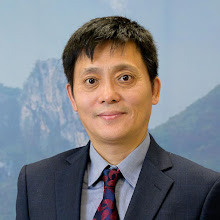
Tiejun Tang

As we can see from the manufacturing process detailed above, the tablets of KnowHow are made differently from other types of Chinese herbal tablets and pills. As there is a decocting and concentrating process, the properties of the tablets are similar to those of a decoction. Also, as the tablet is highly concentrated, there is no need for large doses, as can be the case with other herbal tablets. Usually, three tablets twice a day are enough for most conditions.
KnowHow Acupuncture is not only an
acupuncture clinic, we also provide Chinese herbal medicine treatment. In
KnowHow, there are 200 high quality raw herbs that can be selected for
decoction, a traditional method of taking Chinese medicine. Two years
ago, I published an article talking
about the advantages of decoction in my blog. Selecting herbs according
to the patient’s individual condition can ensure precise and effective
treatment. Moreover, the prescription is adaptable as the condition changes and
the active ingredients of the herbs are easily absorbed by the body. However, some
patients may find taking a herbal decoction inconvenient as it tends to have a
bitter taste, be quite costly and takes a long time to decoct.
What is the second option for taking a herbal
formulation? KnowHow concentrated herbal tablets can be a
good alternative. Let’s see its manufacturing process:
As we can see from the manufacturing process detailed above, the tablets of KnowHow are made differently from other types of Chinese herbal tablets and pills. As there is a decocting and concentrating process, the properties of the tablets are similar to those of a decoction. Also, as the tablet is highly concentrated, there is no need for large doses, as can be the case with other herbal tablets. Usually, three tablets twice a day are enough for most conditions.
The
recipes for KnowHow herbal tablets come from classic herbal formulae used for
hundreds, even thousands, of years. They also come from my personal experience
treating common ailments in the UK. All of the ingredients come
from natural herbs. We use no animal or mineral substances, and no endangered
species. The labeling on the pills clearly states the Latin and Chinese names
of each herb, the expiry date of the tablets and the clinic address,
KnowHow concentrated tablets are an efficient,
convenient and most
of all,
safe herbal remedy.
Sunday, 15 September 2013
Acupuncture may protect your liver from alcoholic damage
Tiejun Tang

It is widely known that over-consumption of alcohol can cause
liver damage. There are three main stages of liver disease caused by alcohol:
alcoholic fatty liver disease, alcoholic hepatitis and cirrhosis. According to
NHS Choices, it is estimated that 90-100% of heavy drinkers have alcoholic
fatty liver disease, one in four drinkers with fatty liver disease will develop
alcoholic hepatitis and one in five drinkers with fatty liver disease will
develop cirrhosis. Death rates linked to alcoholic liver disease have risen by
more than two-thirds (69%) in the past 30 years in UK.
The
best way to treat alcoholic liver disease is to stop drinking alcohol. Western medicine use Disulfiram (sold under the brand name Antabuse), and Acamprosate to help people abstain from alcohol. However, this
may lead to a severe and sometimes fatal reaction known as a disulfiram–alcohol
reaction. It is widely known that drinking alcohol can be harmful to the liver,
however habitual alcohol abuse remains a problem deeply ingrained into British
society. Often, heavy drinkers find it difficult to abstain from alcohol due to
the addictive nature of the drug.
A
recent study in China [1] suggested that electric acupuncture on Taichong
(LV3) – the third point on liver meridian, could protect the liver from alcohol
damage. Researchers used 40 rats divided into a control group, a model group, a
group using electro-acupuncture on LV 3 and a group using electro-acupuncture
on non-acupuncture points. The rats were administered 40ml/kg of distillate
alcohol for 12 hours – enough to overwhelm the liver and create mild liver
injury. Rats were then treated for 30 minutes using the acupoint LV3. At the
conclusion of the study, liver tissues were collected and ALT and AST liver
markers, enzymes present in the blood at elevated levels when there is liver
damage, were measured. Within the acupuncture on LV3 group, ALT and AST levels
were significantly reduced, whereas the control group exhibited elevated levels
of these enzymes. Another study [2], utilising the same experiment
model whereby fatty liver disease is measured in rats, suggested that electro-acupuncture
at Zusanli (ST36) could significantly reduce fatty degeneration of hepatic
cells. These research results could spell good news for heavy drinkers.
If
you find it difficult to give up drinking altogether, why not try to minimize
the damage that can be caused by alcohol? Acupuncture could provide a
convenient solution for the heavy drinker. Apart from the two acupoints
mentioned above, a variety of acupoints can be selected, creating a ‘point
prescription’ according to the different symptoms of each individual case. Some Chinese herbs may also be effective in protecting
the liver from alcohol damage. The best time to seek acupuncture treatment is
the day after a night of heavy drinking, or few hours before a heavy drinking
session. Remember: no acupuncture whilst drunk!
There’s
no harm in enjoying a night out, but don't forget your liver! A happy liver
makes for a long and healthy life.
Reference:
1. Chen BJ. 2011.
Effect of electroacupuncture of "Taichong" (LR 3) on liver function
in mild alcoholic liver injury rats. Zhen Ci Yan Jiu 36(6):419-22.
2. Wang
Wei. 2004, Effects of electroacupuncture at “Zusanli” (ST 36) on alcoholic
fatty liver rat model. Chinese
Acupuncture & Moxibustion 2004
-12.
Friday, 13 September 2013
Friday, 16 August 2013
Goodbye Asante and Hello Middlesex
Tiejun Tang

I quitted my job at Asante Academy of Chinese Medicine on 15th August 2013. I had worked in Asante for 8 years and 4 month since April 2005. Eight years is longer enough to keep a lot of memories in my mind, and I had met many very nice colleagues, many lovely students and many patients. Some of them became my good friends. I would like to say thank you to Dr Ke for given me the opportunity to meet so many good people, to teach so many students and to serve so many patients. Thank you to my dear colleagues for everything you did for me in the past days. Thank you to all the staffs of Day Treatment Centre in Whittington hospital. At the time to say good bye, I send my best wishes to all of you.
Eight years time is nearly a quarter in my 34 years Chinese medicine career. My first job was at Xijing Hospital, the Forth Military Medical University, it last 5 years and ended because of my MSc study. My second job was at the First Military Medical University, it last for 12 years, but these 12 years was interrupted by my PhD study and post doctoral research work at two other universities. Asante work is the longest job in my career without any interruption. Before I came to UK, I had spent 26 years time to accumulate my Chinese medicine knowledge in China. As a medical practitioner, I believe that if you want to give your patient a better service you should continue updating your medical knowledge. That is why I never stop continuing professional development for higher degree. The patient’s precious life and health is in your hand. You cannot make any mistakes at any time.
From September I will join a completely new teaching clinic of Middlesex University which is based near Hendon campus. I will continue my clinical treatment and teaching work in that new clinic. New term will be a new start. I will meet new colleagues, new students and new patients. In this complementary medicine clinic we will have Chinese medicine, western herbal medicine and ayurveda. Three branches of traditional medicine will work together. I think this combination will give patients more benefits. I am very sure the new clinic will become one of the best teaching clinics in complementary medicine field.
If you are my patient or used to be my patient, you are more than welcome to see me at the new teaching clinic of Middlesex university.
You also can see me at my private clinic in Harley street central London. You can book your private or student treatment session online at www.harleystreetchineseacupuncture.co.uk
Sunday, 18 November 2012
Acupuncture Pain Clinic in Whittington Hospital
Tiejun Tang
 Acupuncture pain clinic in Whittington hospital was established in 2002, just one year after Asante Academy funded. This year is its ten years anniversary. At beginning it opened 2 half days per week, and gradually developed to 4 half days every week. Many current and former Asante staffs used worked in Whittington hospital. I covered one half day weekly since 2005. I am the only person which worked in this pain clinic more than 7 years. I should have something to sum up.
Currently, we provided about 2000 acupuncture treatment every year in this pain clinic. The total number of the treatment in the past 10 years should be about 15,000.
The patients suffered from different kinds of pain. The western medicine diagnosis including: chronic and acute lower back pain, sciatica, arthritis, tennis elbow, frozen shoulder, carpal tunnel syndrome, migraine, trigeminal neuralgia, endometriosis, fibromyalgia, and pain after surgical operation etc. All the patients were referred through their GP. Most of them had got a clear diagnosis through blood test and CT or MR scan. Many of them have taken pain killers for a long time.
We applied acupuncture in every patient and plus cupping in some severe cases. Most of patients have got some improve after 5-10 sessions. In some cases, they have got a significant improvement.
Why acupuncture can release pain? Traditional Chinese medicine theory believes the pain is caused by obstruction of meridians. “There is a blockage there is a pain”. The reason of the obstruction can be different in individual cases. Qi stagnation, blood stasis, pathological cold and phlegm are the common reasons. Acupuncture can regulate the function of Zang-Fu organs, balance Yin & Yang, regulate the circulation of qi and blood and dredge the meridians. “When the obstruction is removed the pain will be subsided.”
About the mechanism of acupuncture release pain, many modern researches have been done. In 1980 there was a report from St. Bartholomew's Hospital of London. The author use Low-frequency electroacupuncture to treat patients with pain. After electroacupuncture the β-endorphin levels in cerebrospinal fluid were rose significantly in all subjects. A recent study showed after electrical acupuncture stimulation at Hegu (LI4), it will cause simultaneously response at blood oxygenation level dependent (BOLD) and cerebral blood flow (CBF).
Except pain clinic we also have cooperation with labour ward of Whittington hospital. We use acupuncture to release the pain before and during the labour. In recent years Asante had opened two more pain clinics in North Middlesex Hospital and Royal Free Hospital. I am sure in the future more and more patients will have chance to get acupuncture service in NHS hospitals.
Reference:
Vicky Clement-Jones(1980). Increased β-endorphin but not met-enkephalin levels in human cerebrospinal fluid after acupuncture for recurrent pain. The Lancet, 316(8201): 931-988.
Yue Zhang (2012). Simultaneous CBF and BOLD mapping of high frequency acupuncture induced brain activity. Neuroscience Letters. 531(1): 1-62.
Sunday, 17 June 2012
How to treat urinary tract infection with Chinese herbal medicine?

Urinary tract infection (UTI) is a very common disease. It might occur in any age groups. It is more common in women than in men - it's estimated that half of all women in the UK will have a UTI at least once in their life and one out of every 2,000 healthy men will develop one each year.
If you’ve got urgent frequent urination and pain or a burning sensation when urinating, you might have UTI. A urine sample test can diagnose this disease easily.
Most of UTI are easy to treat if the patients have a good reaction to antibiotic. Many acute UTI can be cured in couple of days. But in some cases, the antibiotic seems no effect or less effect when you use it at second time. Why antibiotic doesn’t work? That is because the pathogenic bacteria can be different in different patient, or even the same patient’s different infection. Usually antibiotic only target on a certain bacteria, if the antibiotic doesn’t match the bacteria, it will no effect. The other reason is bacteria get resistance to antibiotic. In this condition acute UTI will change to chronic one. Mild urethritis might develop into cystitis or even pyelonephritis. What can you do when you facing this situation? Traditional Chinese medicine can help you to get rid of UTI.

Chinese herbal medicines have a multiple target effect on many bacteria, it never cause resistance. When you have above troubles in UTI treatment, why not to try something new?
Saturday, 10 December 2011
Metabolic Syndrome and its TCM Food Therapy
Tiejun Tang
Last month I delivered two lectures, one for TCM Student Society of Middlesex University, the other for the annual general meeting of ATCM. In these two lectures I talked a same topic -- Metabolic Syndrome and its TCM Food Therapy. The audiences are very interested in my talk. Many people ask me for handout, somebody suggest me to publish this paper in ATCM journal. I prefer to put this article in my blog first, to share my knowledge to more readers all over the world.
Metabolic syndrome (MS) is a group of common diseases. It became more and more popular due to the life- style of modern society. Chinese medicine herbs have a good effect in the treatment and prevention of MS. Patients often need a long term treatment. Most of patients don’t like to take the herb decoction for too long time, many treatment have to be terminated for this reason. If we use herbs as a daily food therapy, that will be much more acceptable for most of the patients. In this paper I will introduce some TCM food therapy methods on the treatment of MS.
The definition of metabolic syndromeAlthough the conception of metabolic syndrome originated in late 1950s, but it used to have a different definition. Until Reaven (G.M Reaven 1988) noticed that hyperlipidaemia, hypertension and insulin resistance often cluster together, he put forward the conception of X-syndrome, nine years later Zimmet (P.Z. Zimmet 1997) suggested to use the conception of metabolic syndrome. In 1999 WHO gives the work definition of metabolic syndrome it refers to a clustering of cardiovascular disease risk factors, including type 2 diabetes, hyperlipidaemia, hypertension and obesity.
The diagnostic criteriaThe diagnostic criteria of MS are various in different countries. NCEP (National Cholesterol Education Program) criteria and IDF & AHA (International Diabetes Federation & America Heart Association) criteria are applied in America. EGIR (European Group for the study of Insulin Resistance) criteria are applied in most of the European countries. The WHO criteria (1999) is following:
Require presence of one of:
AND two of the following:
The prevalence of MSThe prevalence of the MS varies with country, race and the definition used. One study in the USA found a prevalence of 44% in the over-60s. A study in the Shanghai found a prevalence of 17.14% (1/6) in the age of 20-74 (Lei Chen. 2003). A report showed that the prevalence of metabolic syndrome in western London is various in different races. South Asians have higher prevalence than African-Caribbeans and Europeans (T.Tillin.2005).
Traditional Chinese medicine’s philosophy about MSAccording to Chinese medicine’s theory MS falls within the category of Xiaoke (消渴) and Xuanyun (眩晕). The etiology of MS is due to: a) Improper diet causing by over eating fat and sweet food; b) Emotional disorder causing by stress work and depression ; c) Spleen deficiency due to many chronic disease; d) Kidney and liver deficiency due to ageing; e) Yin-Yang loose balance and phlegm obstruction; f) Sluggish qi and blood circulation due to lack of exercise; Commonly used treatment principle should be: a) Expel dampness and phlegm; b) Remove the qi stagnation; c) Activate qi and blood circulation; d) Invigorating the spleen; e) Tonify kidney.
 Food therapy formulas:
Last month I delivered two lectures, one for TCM Student Society of Middlesex University, the other for the annual general meeting of ATCM. In these two lectures I talked a same topic -- Metabolic Syndrome and its TCM Food Therapy. The audiences are very interested in my talk. Many people ask me for handout, somebody suggest me to publish this paper in ATCM journal. I prefer to put this article in my blog first, to share my knowledge to more readers all over the world.
Metabolic syndrome (MS) is a group of common diseases. It became more and more popular due to the life- style of modern society. Chinese medicine herbs have a good effect in the treatment and prevention of MS. Patients often need a long term treatment. Most of patients don’t like to take the herb decoction for too long time, many treatment have to be terminated for this reason. If we use herbs as a daily food therapy, that will be much more acceptable for most of the patients. In this paper I will introduce some TCM food therapy methods on the treatment of MS.
The definition of metabolic syndromeAlthough the conception of metabolic syndrome originated in late 1950s, but it used to have a different definition. Until Reaven (G.M Reaven 1988) noticed that hyperlipidaemia, hypertension and insulin resistance often cluster together, he put forward the conception of X-syndrome, nine years later Zimmet (P.Z. Zimmet 1997) suggested to use the conception of metabolic syndrome. In 1999 WHO gives the work definition of metabolic syndrome it refers to a clustering of cardiovascular disease risk factors, including type 2 diabetes, hyperlipidaemia, hypertension and obesity.
The diagnostic criteriaThe diagnostic criteria of MS are various in different countries. NCEP (National Cholesterol Education Program) criteria and IDF & AHA (International Diabetes Federation & America Heart Association) criteria are applied in America. EGIR (European Group for the study of Insulin Resistance) criteria are applied in most of the European countries. The WHO criteria (1999) is following:
Require presence of one of:
- Diabetes mellitus
- Impaired glucose tolerance
- Impaired fasting glucose or
- Insulin resistance
AND two of the following:
- BP: ≥ 140/90 mmHg
- Dyslipidemia:TG: ≥ 1.695 mmol/L & HDL-C ≤ 0.9 mmol/L (male), ≤ 1.0 mmol/L (female)
- Central obesity: waist:hip ratio > 0.90 (male); > 0.85 (female),
- or body mass index > 30 kg/m2
- Microalbuminuria: urinary albumin excretion ratio ≥20 µg/min
- or albumin:creatinine ratio ≥ 30 mg/g
The prevalence of MSThe prevalence of the MS varies with country, race and the definition used. One study in the USA found a prevalence of 44% in the over-60s. A study in the Shanghai found a prevalence of 17.14% (1/6) in the age of 20-74 (Lei Chen. 2003). A report showed that the prevalence of metabolic syndrome in western London is various in different races. South Asians have higher prevalence than African-Caribbeans and Europeans (T.Tillin.2005).
Traditional Chinese medicine’s philosophy about MSAccording to Chinese medicine’s theory MS falls within the category of Xiaoke (消渴) and Xuanyun (眩晕). The etiology of MS is due to: a) Improper diet causing by over eating fat and sweet food; b) Emotional disorder causing by stress work and depression ; c) Spleen deficiency due to many chronic disease; d) Kidney and liver deficiency due to ageing; e) Yin-Yang loose balance and phlegm obstruction; f) Sluggish qi and blood circulation due to lack of exercise; Commonly used treatment principle should be: a) Expel dampness and phlegm; b) Remove the qi stagnation; c) Activate qi and blood circulation; d) Invigorating the spleen; e) Tonify kidney.
Food therapy formulas:1. Gouqi Juhua Tea
Ingredients: Gouqizi (Fructus Lycii) 10g add 500ml water, boil 2 minute, add Juhua (Chrysanthemum) 10g, green tea 5g,Covered and soak for 30min. Drink once or twice daily.
Clinical application: hypertension, arteriosclerosis, coronary heart disease, diabetes, hyperlipemia, dry eyes and blurred vision.
2. Shanzha Jueming Tang
Ingredients: Shanzha (Hawthorn Fruit) 20g, Juemingzi (Semen Cassiae) 10, Prepare method : add 500ml water, boil for 30 min, drink once a day.
Clinical application: hyperlipemia, cholesterol or triglyceride, hypertension, arteriosclerosis, coronary heart disease, constipation, food retention.
3. Yumixu Tang
Ingredients: Yumixu (Corn Stigma) washed and soaked with boiled water for 5 min, or boil with water for 5 minute, drink once a day.
Clinical application: diabetes, hypertension, cholecystitis, hepatitis, nephritis.
4. Sanqi Shanyao Zhou
Ingredients: Sanqi (Radix Notoginseng)5g, Shanyao (Rhizoma dioscoreae) 60g, Jingmi (rice) 60g. Prepare method: above ingredients add water 500 ml, boiled for 1 hour,drinking the porridge.
Clinical application: diabetes, hypertension, anaemia, irregular menstruation, scanty menstruation.
5. Gegen Fen Zhou
Ingredients: Gegenfen (Radix Puerariae) 30g, Jingmi (rice) 50g; Prepare method :add water 500 ml, boiled for 1 hour, drinking the porridge.
Clinical application: diabetes, hypertension, coronary heart disease, hyperlipoidemia.
6. Shanzha Shouwu Tang
Ingredients: Shanzha (Hawthorn Fruit) 30g, Heshouwu (Radix polygoni multiflori) 18g, Zexie (Rhizome of Oriental Waterplantain) 12g; Prepare method:Above ingredients add water 600 ml, boiled for 1 hour. Drink the decoction twice a day.
Clinical application: hyperlipemia, Diabetes hypertension, coronary heart disease.
7. Ju Huai Cha
Ingredients: Juhua (Chrysanthemum) 3g, Huaihua (Flower of Japanese Pagodatree) 3g, Green tea 3g; Prepare method :Put above ingredients in a cup, add boiled water, soaked 5 minute, drink the tea once daily.
Clinical application: Hypertension,Headache,Dizzness.
8. Xiakucao Jiangya Cha
Ingredients: Xiagucao (Spike Prunella) 10g, Cheqiancao (Herba plantaginis) 12g; Prepare method: above ingredients washed, and put them in a cup, add boiled water, covered and soaked for 5 minute, drink the tea once a day.
Clinical application:Hypertension,Headache,Dizzness.
9. Danshen lucha Yin
Danshen (Rdix salviae miltiorrhizae) 9g, Green tea 3g; Prepare method: Put Danshen power and green tea in a cup, add boiled water, covered and soaked 5 minute, drink the tea once or twice daily.
Clinical application:Coronary heart disease,Angina,Hyperlipoidemia.
DiscussionWestern medicine is effective in treating MS but it has to use many tablets at the same time. Patient has to take one table for blood sugar, one for cholesterol, and one or two tablets for control blood pressure. Usually these medicines are quite effective to control sugar, cholesterol and blood pressure, but each medicine will cause some side effects if used long term. These side effects will lead to some new troubles, such as liver function damage, low libido, edema, dry cough, headache, and even heart failure. That is the biggest trouble of west medicine.
Pharmacological research showed the ingredients of Yumixu contains flavone, glycoside, trace element, organic acid, glucide, multi-vitamin. It showed a better effect than 2.5mg Glibenclamide in diabetic patients. There are many effective ingredients in these herbs like tanshinone in Danshen; flavone in Juhua; phytomelin in Huaihua; Notoginseng leaf saponins and flavone in Sanqi; lycium barbarum polysaccharide and Carotene in Gouqizi etc.
Shanzha, Juemingzi and Heshouwu can reduce blood lipid; Juhua, Xiakucao and Gouqizi are good for high blood pressure; Danshen, Sanqi and Gegen can improve coronary circulation and benefit heart. In clinical practice, according to patient’s diagnosis we can select one or two from the nine formulas above. Patients can take the tea or porridge every day or every other day. MS can be get control by daily food therapy. Some MS cases didn’t show a lot of symptoms, many patients didn’t paid enough attention to this disease, but MS put the patients in a high risk of heart attack or stroke. Taking action to reduce the potential risk is better than to wait until the attack has occurred. This is a very important treatment principle of traditional Chinese medicine.
Reference:
Ingredients: Gouqizi (Fructus Lycii) 10g add 500ml water, boil 2 minute, add Juhua (Chrysanthemum) 10g, green tea 5g,Covered and soak for 30min. Drink once or twice daily.
Clinical application: hypertension, arteriosclerosis, coronary heart disease, diabetes, hyperlipemia, dry eyes and blurred vision.
2. Shanzha Jueming Tang
Ingredients: Shanzha (Hawthorn Fruit) 20g, Juemingzi (Semen Cassiae) 10, Prepare method : add 500ml water, boil for 30 min, drink once a day.
Clinical application: hyperlipemia, cholesterol or triglyceride, hypertension, arteriosclerosis, coronary heart disease, constipation, food retention.
3. Yumixu Tang
Ingredients: Yumixu (Corn Stigma) washed and soaked with boiled water for 5 min, or boil with water for 5 minute, drink once a day.
Clinical application: diabetes, hypertension, cholecystitis, hepatitis, nephritis.
4. Sanqi Shanyao Zhou
Ingredients: Sanqi (Radix Notoginseng)5g, Shanyao (Rhizoma dioscoreae) 60g, Jingmi (rice) 60g. Prepare method: above ingredients add water 500 ml, boiled for 1 hour,drinking the porridge.
Clinical application: diabetes, hypertension, anaemia, irregular menstruation, scanty menstruation.
5. Gegen Fen Zhou
Ingredients: Gegenfen (Radix Puerariae) 30g, Jingmi (rice) 50g; Prepare method :add water 500 ml, boiled for 1 hour, drinking the porridge.
Clinical application: diabetes, hypertension, coronary heart disease, hyperlipoidemia.
6. Shanzha Shouwu Tang
Ingredients: Shanzha (Hawthorn Fruit) 30g, Heshouwu (Radix polygoni multiflori) 18g, Zexie (Rhizome of Oriental Waterplantain) 12g; Prepare method:Above ingredients add water 600 ml, boiled for 1 hour. Drink the decoction twice a day.
Clinical application: hyperlipemia, Diabetes hypertension, coronary heart disease.
7. Ju Huai Cha
Ingredients: Juhua (Chrysanthemum) 3g, Huaihua (Flower of Japanese Pagodatree) 3g, Green tea 3g; Prepare method :Put above ingredients in a cup, add boiled water, soaked 5 minute, drink the tea once daily.
Clinical application: Hypertension,Headache,Dizzness.
8. Xiakucao Jiangya Cha
Ingredients: Xiagucao (Spike Prunella) 10g, Cheqiancao (Herba plantaginis) 12g; Prepare method: above ingredients washed, and put them in a cup, add boiled water, covered and soaked for 5 minute, drink the tea once a day.
Clinical application:Hypertension,Headache,Dizzness.
9. Danshen lucha Yin
Danshen (Rdix salviae miltiorrhizae) 9g, Green tea 3g; Prepare method: Put Danshen power and green tea in a cup, add boiled water, covered and soaked 5 minute, drink the tea once or twice daily.
Clinical application:Coronary heart disease,Angina,Hyperlipoidemia.
DiscussionWestern medicine is effective in treating MS but it has to use many tablets at the same time. Patient has to take one table for blood sugar, one for cholesterol, and one or two tablets for control blood pressure. Usually these medicines are quite effective to control sugar, cholesterol and blood pressure, but each medicine will cause some side effects if used long term. These side effects will lead to some new troubles, such as liver function damage, low libido, edema, dry cough, headache, and even heart failure. That is the biggest trouble of west medicine.
Pharmacological research showed the ingredients of Yumixu contains flavone, glycoside, trace element, organic acid, glucide, multi-vitamin. It showed a better effect than 2.5mg Glibenclamide in diabetic patients. There are many effective ingredients in these herbs like tanshinone in Danshen; flavone in Juhua; phytomelin in Huaihua; Notoginseng leaf saponins and flavone in Sanqi; lycium barbarum polysaccharide and Carotene in Gouqizi etc.
Shanzha, Juemingzi and Heshouwu can reduce blood lipid; Juhua, Xiakucao and Gouqizi are good for high blood pressure; Danshen, Sanqi and Gegen can improve coronary circulation and benefit heart. In clinical practice, according to patient’s diagnosis we can select one or two from the nine formulas above. Patients can take the tea or porridge every day or every other day. MS can be get control by daily food therapy. Some MS cases didn’t show a lot of symptoms, many patients didn’t paid enough attention to this disease, but MS put the patients in a high risk of heart attack or stroke. Taking action to reduce the potential risk is better than to wait until the attack has occurred. This is a very important treatment principle of traditional Chinese medicine.
Reference:
- Lei Chen. (2003). Prevalence of metabolic syndrome among Shanghai adults in China. Chinese Journal of Cardiology. 31(12): 909-912.
- Reaven GM.(1988). Role of insulin resistance in human disease. Diabetes. 37(12):1595-607.
- Tillin. T. (2005). Metabolic syndrome and coronary heart disease in South Asians, African-Caribbeans and white Europeans: a UK population-based cross-sectional study
- Diabetologia 48(4): 649-656.
- Zimmet PZ et al. (1997). The global epidemiology of non-insulin-dependent diabetes mellitus and the metabolic syndrome. Journal of Diabetes and its Complications. 11(2): 60-68.
Wednesday, 24 August 2011
Deng’s Herbal Tea

Drinking herbal tea is a very popular for keeping healthy in the southern China. People often drink some herbal tea for clearing heat and detoxification. It is called Liang Cha in Cantonese, mean cold tea. Drinking Liang Cha can keep you away from flu and many other unwell during the hot summer. Deng’s Herbal Tea is a new form of Liang Cha, which was invented by my tutor professor Deng Tietao. Due to its good prescription and excellent pharmaceutical technology, it became one of the most popular healthy products in China.
Deng’s herbal tea is composed of six natural herbs. They are Jinyinhua, Baimaogen, Juhua, Sangye, Pugongying and Gancao. It has heat clearing and detoxification function, so it can be used to treat and prevent common cold and flu which is due to wind-heat. It also has a function of benefiting liver and cooling blood, it can reduce the harm of alcohol and smoking, it is good for heavy drinker and smoker. Because it is good at clearing the heat from lung and stomach, Deng’s herbal tea also can clean acne for any age groups. The modern pharmacology research shows it has an antivirus, immune enhance and diuresis functions.
Deng’s herbal tea has different formulations. Pop can is easier to dink at anytime and any condition. Granule is suitable for family and office worker. Lozenge is easier to carry and taken. Syrup is good for release constipation and moisten lung because it is prepared with honey. There is a no sugar granule special for diabetic population.
The weather of UK is not as hot as southern China. Is it necessary to drink Liang Cha? My answer is yes. For the most British their heat is not from the weather, it is from their life style. According to Chinese medicine’s theory, mutton, lamb, any baked food, chocolate, alcohol and smoking are easy to produce heat or damp-heat. If any one of the above mentioned is your favourite, you probably will have more heat in constitution. You need Liang Cha to expel these pathological fires. Deng’s Herbal Tea is a right choice.
Friday, 3 June 2011
Infertility and its TCM treatment
Tiejun Tang
First of all, I need to identify the concepts of the three key words in this topic.
Infertility: The infertility diagnosis standard of World Health Organization (WHO) is that couples who failed to conceive after 12 months of contraceptive-free intercourse if the female is under the age of 34, or 6 months of intercourse if the female is over the age of 35. Couples who have never been able to conceive are classified as primary infertility, whilst others are called secondary infertility.
TCM: traditional Chinese medicine, which includes Chinese herbal medicine, acupuncture, moxibustion, and electric acupuncture in some conditions.
Treatment: I am very cautious in using the word “treatment” here. A new advertising code had been announced by The Advertising Standards Authority (ASA) in March 2011. The code lays down strict restrictions to advertisements of complementary medicine practices. Wordings such as “cure”, “treatment” are prohibited from the advertisement of our leaflet or clinic website. Some practitioners use wordings like “management” or “help” instead. I never use the word “cure” in my leaflet, because in medicine, it can never be 100% sure that any disease could be cured. I think “treatment” just means the process of a therapy. It doesn’t indicate whether the result will be positive or negative. Why are we not allowed to use the word “treatment” in advertisement? What is the difference amongst “treatment”, “management” and “help”? What a strange code! The code also declared that objective claims must be backed by evidence. Substantiation will be assessed on the basis of the available scientific knowledge. I have two reasons why I used “treatment” here and also in my other blog articles. Firstly, this blog is not a clinic website, hence it is not an advertisement. Secondly, I always show some scientific evidence to support my opinion
The causes of infertility can be due to either the female or male or both parties. In some cases, the cause can be unexplained. In UK the statistic data of 2009 is shown below.
First of all, I need to identify the concepts of the three key words in this topic.
Infertility: The infertility diagnosis standard of World Health Organization (WHO) is that couples who failed to conceive after 12 months of contraceptive-free intercourse if the female is under the age of 34, or 6 months of intercourse if the female is over the age of 35. Couples who have never been able to conceive are classified as primary infertility, whilst others are called secondary infertility.
TCM: traditional Chinese medicine, which includes Chinese herbal medicine, acupuncture, moxibustion, and electric acupuncture in some conditions.

Treatment: I am very cautious in using the word “treatment” here. A new advertising code had been announced by The Advertising Standards Authority (ASA) in March 2011. The code lays down strict restrictions to advertisements of complementary medicine practices. Wordings such as “cure”, “treatment” are prohibited from the advertisement of our leaflet or clinic website. Some practitioners use wordings like “management” or “help” instead. I never use the word “cure” in my leaflet, because in medicine, it can never be 100% sure that any disease could be cured. I think “treatment” just means the process of a therapy. It doesn’t indicate whether the result will be positive or negative. Why are we not allowed to use the word “treatment” in advertisement? What is the difference amongst “treatment”, “management” and “help”? What a strange code! The code also declared that objective claims must be backed by evidence. Substantiation will be assessed on the basis of the available scientific knowledge. I have two reasons why I used “treatment” here and also in my other blog articles. Firstly, this blog is not a clinic website, hence it is not an advertisement. Secondly, I always show some scientific evidence to support my opinion
The causes of infertility can be due to either the female or male or both parties. In some cases, the cause can be unexplained. In UK the statistic data of 2009 is shown below.

In female infertility the common reasons are shown below.

In a clinical study from Germany (Paulus, 2002), 160 patients who were undergoing assisted reproduction therapy were divided into two groups randomly: embryo transfer with acupuncture (n=80) and embryo transfer without acupuncture (n=80). Acupuncture was performed at 25 minutes before and after embryo transfer. In the control group, embryos were transferred without any supportive therapy. The results showed clinical pregnancies were documented in 34 out of 80 patients (42.5%) in the acupuncture group, whereas pregnancy rate was only 26.3% (21 out of 80 patients) in the control group.
Another report is from Denmark (Lars G. 2006). Patients treated with IVF/ICSI (intracytoplasmic sperm injection) were divided into three groups. Group 1 received acupuncture on the day of embryo transfer (ET), group 2 on ET day and again 2 days later, and both groups were compared with a control group that did not receive acupuncture. Results showed clinical pregnancy rates were significantly higher in group 1 as compared with controls (37 of 95 [39%] vs. 21 of 87 [26%]) and ongoing pregnancy rates were also higher in group 1 as compared with controls (34 of 95 [36%] vs. 19 of 87 [22%]). The clinical and ongoing pregnancy rates in the group 2 (36% and 26%) were higher than in controls, but the difference did not reach statistical difference. Conclusion can be drawn that acupuncture on the day of ET significantly improves the reproductive outcome of IVF/ICSI, as compared with no acupuncture.
Acupuncture also has good effect in treating male infertility. In a prospective controlled study, statistical evaluation of the transmission electron microscopy data showed a significant increase after acupuncture in the percentage and number of sperms without ultrastructural defects in the semen. A statistically significant improvement was also detected in acrosome position and shape, nuclear shape, axonemal pattern and shape, and accessory fibers of sperm organelles. (J. Pie. 2005)
In addition to acupuncture, Chinese herbs can also greatly increase the chances of pregnancy. There is an experimental study which showed that Erzhi Tiangui Decoction could significant raise the quality of oocyte in mice (F. Lian 2004). A clinical track study showed Wenshen Antai Decoction can also increase the pregnancy rate after re-transplant of IVF (D. Li. 2009).
Fertility problems affect one in seven couples in the UK. Many couples choose IVF or IUI, but they have to be prepared for the low success rate and the high cost. Much evidence showed that acupuncture and Chinese herbs can treat infertility for both male and female. Only a few reports amongst many were mentioned above. TCM treatment can help get natural pregnancy, prevent miscarriage and increase the success rate of IVF, although the success rate would vary with different treatment plans and different causes of infertility.
Reference:Lian Fang, Sun Zhen-gao, Zhang Jian-wei, et al.(2004). Experimental Study on Effect of Erzhi Tiangui Recipe on Quality of Oocyte in Mice. Chinese Journal of Integrated Traditional and Western Medicine. 24(7):625-7.
Li Dong (2009). Increase of pregnancy rate by Wenshen'antai Decoction combined with assisted reproductive technology in patients with embryo transplant failure. Journal of Beijing University of Traditional Chinese Medicine. 32(2):
Pei J, Strehler E, Noss U. et al. (2005). Quantitative evaluation of spermatozoa ultrastructure after acupuncture treatment for idiopathic male infertility. Fertility and sterility, 84 (1): 141-147
Paulus WE, Zhang M, Strehler E, et al. (2002). Influence of acupuncture on the pregnancy rate in patients who undergo assisted reproduction therapy. Fertil and Steril. 77 (4): 721–4.
In addition to acupuncture, Chinese herbs can also greatly increase the chances of pregnancy. There is an experimental study which showed that Erzhi Tiangui Decoction could significant raise the quality of oocyte in mice (F. Lian 2004). A clinical track study showed Wenshen Antai Decoction can also increase the pregnancy rate after re-transplant of IVF (D. Li. 2009).
Fertility problems affect one in seven couples in the UK. Many couples choose IVF or IUI, but they have to be prepared for the low success rate and the high cost. Much evidence showed that acupuncture and Chinese herbs can treat infertility for both male and female. Only a few reports amongst many were mentioned above. TCM treatment can help get natural pregnancy, prevent miscarriage and increase the success rate of IVF, although the success rate would vary with different treatment plans and different causes of infertility.
Reference:Lian Fang, Sun Zhen-gao, Zhang Jian-wei, et al.(2004). Experimental Study on Effect of Erzhi Tiangui Recipe on Quality of Oocyte in Mice. Chinese Journal of Integrated Traditional and Western Medicine. 24(7):625-7.
Li Dong (2009). Increase of pregnancy rate by Wenshen'antai Decoction combined with assisted reproductive technology in patients with embryo transplant failure. Journal of Beijing University of Traditional Chinese Medicine. 32(2):
Pei J, Strehler E, Noss U. et al. (2005). Quantitative evaluation of spermatozoa ultrastructure after acupuncture treatment for idiopathic male infertility. Fertility and sterility, 84 (1): 141-147
Paulus WE, Zhang M, Strehler E, et al. (2002). Influence of acupuncture on the pregnancy rate in patients who undergo assisted reproduction therapy. Fertil and Steril. 77 (4): 721–4.
Sunday, 15 May 2011
Decoction is the best formulation
Tiejun Tang
There are several different formulations in Chinese herbal medicine. Pills, tablets, powders, capsules are commonly used patent remedies. In addition to these formulations, there is another commonly used formulation – decoction. It means several different raw herbs mixed together, soaked in the water for a period of time and then boiled over fire for about an hour, filtrate them and drink the liquid. It is the most traditional method in Chinese herbal medicine and in my opinion, it is the best formulation. The reasons are below.
 Firstly, decoction can give a patient an individual treatment. The treatment principle of Chinese medicine is based on syndrome differentiation diagnosis. In the clinical practice each individual case might need different herbs. Even the same disease with different patient, it may need different prescription because their symptoms are not exactly the same. For example, if two people catch cold at same time. Mr. A has a sore throat, headache, and high temperature; but Mr. B suffers sneezing, blocked and runny nose, with normal temperature. If we treat using a decoction, we will select different herbs according to patient’s clinical manifestation. A good prescription will suit the individual patient only, just like a tailor made suit for an individual person according to their measurements.
Secondly, decoctions have good adaptability. The patient’s symptoms might change during the treatment process. At different stages of the same disease, the patient might need different herbs. We can amend the prescription by changing some herbs or adjusting the dosage of some herbs. It’s better to amend the prescription once a week according to symptoms. Let’s take irritable bowel syndrome (IBS) as an example. Patients suffering from IBS often alternate between diarrhoea and constipation. When diarrhoea happens we need to use Baizhu, Yiyiren, Huoxiang, Peilan etc to tonify the spleen and expel dampness. When constipation happens we need to remove Yiyiren, Huoxiang, Peilan and add Maziren, Juemingzi to moisten the intestine and release constipation. This adjustment can be used more often in some acute diseases and less often in stabile chronic disease.
Thirdly, decoction is more easily absorbed by the patient. After drinking into the stomach, the effective substances in the decoction will be absorbed through the gastrointestinal system and into the blood within half to one hour. The result is much quicker than other formulations.
The disadvantage of decoction is that it requires a little preparation time. The patient needs to spend some time boiling the herbs every day. The other disadvantage sometimes is its taste which is usually quite bitter. You can add some sugar or honey before drinking it. Many people gradually get used to the bitter taste after taking them for a period of time. Some even start to like the "magic coffee", because they get a lot of benefits from the herbal decoction.
Decoction is the best formulation, but a good treatment depends on correct diagnosis. Nevertheless, if disease is misdiagnosed, no formulation will work. However, if you get it right, you are sure to hit the target spot on!
There are several different formulations in Chinese herbal medicine. Pills, tablets, powders, capsules are commonly used patent remedies. In addition to these formulations, there is another commonly used formulation – decoction. It means several different raw herbs mixed together, soaked in the water for a period of time and then boiled over fire for about an hour, filtrate them and drink the liquid. It is the most traditional method in Chinese herbal medicine and in my opinion, it is the best formulation. The reasons are below.
Secondly, decoctions have good adaptability. The patient’s symptoms might change during the treatment process. At different stages of the same disease, the patient might need different herbs. We can amend the prescription by changing some herbs or adjusting the dosage of some herbs. It’s better to amend the prescription once a week according to symptoms. Let’s take irritable bowel syndrome (IBS) as an example. Patients suffering from IBS often alternate between diarrhoea and constipation. When diarrhoea happens we need to use Baizhu, Yiyiren, Huoxiang, Peilan etc to tonify the spleen and expel dampness. When constipation happens we need to remove Yiyiren, Huoxiang, Peilan and add Maziren, Juemingzi to moisten the intestine and release constipation. This adjustment can be used more often in some acute diseases and less often in stabile chronic disease.
Thirdly, decoction is more easily absorbed by the patient. After drinking into the stomach, the effective substances in the decoction will be absorbed through the gastrointestinal system and into the blood within half to one hour. The result is much quicker than other formulations.
The disadvantage of decoction is that it requires a little preparation time. The patient needs to spend some time boiling the herbs every day. The other disadvantage sometimes is its taste which is usually quite bitter. You can add some sugar or honey before drinking it. Many people gradually get used to the bitter taste after taking them for a period of time. Some even start to like the "magic coffee", because they get a lot of benefits from the herbal decoction.
Decoction is the best formulation, but a good treatment depends on correct diagnosis. Nevertheless, if disease is misdiagnosed, no formulation will work. However, if you get it right, you are sure to hit the target spot on!
Wednesday, 30 March 2011
Glandular fever and its TCM treatment

Glandular
fever is an infectious disease caused by the
Epstein-Barr virus. Some TCM practitioners who were trained in China might not be
familiar with this, but its formal name -- infectious mononucleosis, will be
more familiar.
The
diagnosis of this disease is not difficult. The main points of diagnosis are
included in the names of the disease. The clinical manifestations are fever
with swollen glands, sore throat, headache,
fatigue and muscle ache. These symptoms are
similar to flu, except that the patient will have a unique blood test result
with monocytes count
significantly increased. There may be swollen lymph nodes, enlarged liver and
spleen, widespread red skin rash without itchiness.
This
disease can occur in any age groups but young people between 10 and 25 years
are most vulnerable to this infection. The
incubation period from infection to when the symptoms first appear is between
30 and 50 days.
Western
medicine does not have any efficient treatment for infections caused by virus.
Usually patients will be prescribed medicine such as paracetamol or ibuprofen to
ease the symptoms. Antibiotics may be used if the patient developed a secondary
bacterial infection of the throat. Steroids may also be prescribed in severe
swelling of tonsils.
Chinese
medicine diagnosed this disease as Wenbing (温病,
epidemic febrile). It is due to wind-heat or
wind-cold invading the superficies. The
exogenous evils produce heat and toxin. These heat-toxin spread to the blood,
it consumes qi and body fluid, then causing qi and yin deficiency at a later
stage.
Chinese
medicine treats glandular fever with different treatment principles at
different stages. In the early stage the diagnosis is due to wind-heat invading
the lung, we can use modified Yinqiao San to clear and detoxify wind-heat. In the middle stage where the heat develops
from Wei stage to Qi stage, we need to use modified Baihu
Tang to purge the internal fire. In the later stage the heat develops to Ying stage, we select Qingying Tang to
clear heat and cool the blood. At the recovery stage, patients usually have qi
and yin deficiency symptoms, we should then select modified Zhuye Shigao Tang
to clear the remaining fever and tonify qi and yin.
Some
Chinese herbs have a good function of inhibiting virus which can be applied to
treat glandular fever. These are
Banlangen (Radix Isatidis), Daqingye (Folium Isatidis), Lianqiao (Fructus Forsythiae),
Jinyinhua (Lonicera japonica Thunb), Guanzhong
(Cyrtomium Rhizome), Huangqin (Radix Scutellariae). If the patient has red skin
rash appearing, I would like to add Chishao (Red
Peony Root), Mudanpi (Tree Peony Bark),
Zicao (Radix Lithospermi), Qiancao (Radix Rubiae), Xuanshen (Radix
Scrophulariae) to cool blood. If the patient has qi and yin deficiency,
Maimendong (Dwarf Lilyturf Tuber),
Zhuye (Folium Phyllostach Lophatheri), Zhimu (Rhizoma Anemarrhenae), Taizishen
(Radix Pseudostellariae) can be added.
In
addition to Chinese herbal medicine, acupuncture can also be used to treat
glandular fever. The commonly used points are Hegu (LI4), Quchi (LI11), Waiguan
(SJ5), Dazhui (Du14), Fengmeng (BL12), Feishu (BL13), Xuehai (SP10). A reducing manipulation can be applied. In
some severe cases with high temperature, bloodletting cupping at Dazhui (DU14)
is necessary.
Glandular
fever usually takes 2-4 weeks to resolve without complications. In about 3 per
cent of the cases, it might develop into complications such as pneumonia, anaemia,
thrombocytopenia, meningitis or encephalitis. Three percent is a very low chance, but if it
happened to an individual person that mean a hundred percent to him/her. Glandular
fever should not be ignored. If a
patient has got this disease, he should have plenty of rest, drink plenty of
water, and access to a Chinese medicine practitioner. I am sure Chinese herbal
medicine and acupuncture can give more help than chemical drugs.
Monday, 28 February 2011
Welcome the right decision from Department of Health
Tiejun Tang

On 16th February the Health Secretary of UK government had announced to Parliament that herbal medicine practitioners will be regulated from April 2012. The four UK health departments have agreed that the Health Professions Council (HPC) should hold a statutory register of practitioners who supply unlicensed herbal medicines to people to enable the supply of herbal medicines to continue after 30 April 2011.
This decision is very good news for all of herbal medicine practitioners including our TCM practitioners. It is also good news for the public because practitioner regulation will be underpinned by medicine legislation which will provide further safeguards to protect public health. Let’s welcome this right decision made by UK government.
The regulatory status of TCM is our hope and dream. Some of colleagues at ATCM had struggled for this target for many years. As a council member of ATCM, I feel very happy to see the good result of regulation. Traditional Chinese Medicine has received great development in the last two decades in UK. There are more than three thousand clinics all over the UK. Chinese medicine became more and more popular in this country. However, some practitioners do not have good qualification. Because there is no status regulation, anybody can practise Chinese medicine here. Many clinics run like a business with the sole purpose of making profits. Some patients enter a Chinese herbal shop irrationally just as they are choosing a Chinese restaurant because they simply do not know where to find advice or recommendation even if they believe in TCM. Many medical mishaps occurred just because of unqualified practice. After April 2012, this condition will not happen again and the public will get better protection, as a register of all qualified practitioners will be kept and made available to the public.
Traditional Chinese Medicine is an Undiscovered Science. This is the title of one of my blog paper last year. TCM origin is from China but it is a common treasure of human beings. It had been widely accepted by almost every country of the world. There is no international border for science, the same for TCM. Chinese medicine is very effective in treating many diseases. For some disease it always works if you get the correct diagnosis and have selected the correct treatment principles. In China the practice of TCM has been strictly regulated by law. All the practitioners must have received at least 5 years training. After they are qualified from university they still need to pass a practice licence examination, any unlicensed practice is illegal. I think TCM practice should be regulated by law in any country for the public’s safety. I would like to say the UK government has made a wise decision this time.
Cold winter is gone, spring is coming. In the UK, TCM’s spring will come very soon.
This decision is very good news for all of herbal medicine practitioners including our TCM practitioners. It is also good news for the public because practitioner regulation will be underpinned by medicine legislation which will provide further safeguards to protect public health. Let’s welcome this right decision made by UK government.
The regulatory status of TCM is our hope and dream. Some of colleagues at ATCM had struggled for this target for many years. As a council member of ATCM, I feel very happy to see the good result of regulation. Traditional Chinese Medicine has received great development in the last two decades in UK. There are more than three thousand clinics all over the UK. Chinese medicine became more and more popular in this country. However, some practitioners do not have good qualification. Because there is no status regulation, anybody can practise Chinese medicine here. Many clinics run like a business with the sole purpose of making profits. Some patients enter a Chinese herbal shop irrationally just as they are choosing a Chinese restaurant because they simply do not know where to find advice or recommendation even if they believe in TCM. Many medical mishaps occurred just because of unqualified practice. After April 2012, this condition will not happen again and the public will get better protection, as a register of all qualified practitioners will be kept and made available to the public.
Traditional Chinese Medicine is an Undiscovered Science. This is the title of one of my blog paper last year. TCM origin is from China but it is a common treasure of human beings. It had been widely accepted by almost every country of the world. There is no international border for science, the same for TCM. Chinese medicine is very effective in treating many diseases. For some disease it always works if you get the correct diagnosis and have selected the correct treatment principles. In China the practice of TCM has been strictly regulated by law. All the practitioners must have received at least 5 years training. After they are qualified from university they still need to pass a practice licence examination, any unlicensed practice is illegal. I think TCM practice should be regulated by law in any country for the public’s safety. I would like to say the UK government has made a wise decision this time.
Cold winter is gone, spring is coming. In the UK, TCM’s spring will come very soon.
Thursday, 27 January 2011
How to treat Raynaud's Phenomenon with Chinese Medicine?
Tiejun Tang
 This winter is extremity cold; many people have very cold hands and feet in such weather. Some people’s cold extremities come by episodic attacks. When the attack occurs, the skin colour changes from white to blue and red. The hands and feet become cold and numb. Some patients describe the sensation as tingling, or painful "pins and needles". The attack is usually triggered by exposure to cold or emotional stress. This phenomenon is called Raynaud’s phenomenon in western medicine. This phenomenon can be subdivided into primary and secondary conditions. The primary form is known as Raynaud’s disease, whereas the secondary form is known as Raynaud’s syndrome.
This winter is extremity cold; many people have very cold hands and feet in such weather. Some people’s cold extremities come by episodic attacks. When the attack occurs, the skin colour changes from white to blue and red. The hands and feet become cold and numb. Some patients describe the sensation as tingling, or painful "pins and needles". The attack is usually triggered by exposure to cold or emotional stress. This phenomenon is called Raynaud’s phenomenon in western medicine. This phenomenon can be subdivided into primary and secondary conditions. The primary form is known as Raynaud’s disease, whereas the secondary form is known as Raynaud’s syndrome.Raynaud's phenomenon is a disorder that affects the blood vessels in the fingers and toes. This disorder causes vasospastic attacks where the blood vessels in the fingers and toes constrict thus causing a loss of circulation. This phenomenon can affect between 5 to 10 percent of the general population. Women are more susceptible to have the disorder in comparison to men, and it appears to be more prevalent in the winter season of colder climate areas.
In Western medicine the treatment of Raynaud's syndrome is carried out with calcium-channel blockers. These cause the smooth muscle to relax and consequently dilate the small blood vessels. In some patients, doctors use alpha blockers that counteract the actions of norepinephrine. These medicines can often cause some side effects, in which case many patients have to stop using them. These medications may also have a detrimental affect on a growing foetus; therefore women who are pregnant or are trying to have a baby should avoid taking these medications. Unfortunately Raynaud’s is more likely to occur in women of childbearing age.
In Chinese medicine Raynaud’s phenomenon falls within the category of Hanjue (寒厥). It means cold extremities. The interior pathology of this disease is Qi and blood deficiency and Yang deficiency, whereas the exterior pathology would relate to cold invasion within the meridian. The treatment principle should be to nourish the qi and blood, whilst expelling the cold and to warm the yang. This theory can be carry out through the use of herbs, acupuncture and moxibustion.
A herbal prescription suitable for this condition is; Danggui Sini Tang. This would be used as the first choice for this disease, as it is a traditional formula which originates from Shanhanlun, a classic text of TCM, written by Zhang Zhongjing about 1700 years ago. The ingredients include; Danggui (Angelica sinensis), Guizhi (Ramulus Cinnamomi), Baishao (Radix Paeoniae Alba), Xixin (Manchurian Wildginger), Tongcao (Tetrapanax papyriferus), Dazhao(Fructus Jujubae), Zhigancao (Radix Glycyrrhizae Preparata). If patient have more qi deficiency symptoms, add Huangqi (Radix Astragali) and Baizhu (Rhizoma Atractylodis Macrocephalae). If there is more of a blood deficiency, Jixueteng (Millettia dielsiana) and Heshouwu (Fallopia multiflora) can be add, and if there is more of a yang deficiency, Rougui (Cortex Cinnamomi) and Ganjiang (Dried Ginger) can be included.
With regards to the Acupuncture and moxibustion, these can be very helpful in the treatment of Raynaud’s disease. The acupuncture point selection would include; Mingmen (DU4), Shenshu (BL23), Guanyuan (RN4), Qihai (RN6), Xuehai (SP10), Zusanli (ST36), Baxie (EX-UE9), Bafeng (EX-LE10). Reinforcing manipulation can also be applied. The specific point selection for Moxibustion application should be Guanyuan (RN4) and Shenque (RN8).
I have a student who has been diagnosed with Raynaud’s disease. She often has Raynaud’s attacks during the winter period, but has cold hands and feet all year. She came to see me with regards to this problem last summer, and after few treatment sessions her hands and feet felt a lot warmer. Her Raynaud’s attack did not occur this winter.
Chinese medicine therapy is effective in treating both primary and secondary Raynaud’s phenomenon. It never causes any side effects, and is safe for pregnant women. If you often have cold limbs you need to nourish your qi and blood and warming your meridian pathways at any time during the year, you should not wait until winter. Generally it is better to start your treatment before the attack happens. A good treatment can give you a warmer and more comfortable winter.
Wednesday, 1 December 2010
Hashimoto’s disease and its TCM treatment
Tiejun Tang

In some cases, no symptoms may be seen at early stage, but in most cases, symptoms are similar to those of hypothyroidism. Common symptoms include: fatigue, unexpected weight gain, aversion to cold, muscle aches, cramps, tenderness or stiffness, joint pain or swelling, pale skin and puffy face, hoarse voice, constipation, depression, visibly enlarged thyroid.
It is not very clear what triggers this autoimmune disorder. Factors such as iodine, medications, infection, smoking and possibly stress may be involved. If you want to prevent Hashimoto’s disease or stop it developing, you should try to avoid these possible causes.
In Western medicine, this is usually being treated with levothyroxine. This hormone replacement therapy can only partially recover thyroid functions but not regulate the immune system in general. It cannot reduce the level of antithyroid antibody. Patients need to take medicine all their life. For some cases with a large goitre, they may even need surgical operation. After operation they still need to take thyroxine.
In Chinese medicine, it is believed that this disease is due to Qi stagnation, blood stasis and phlegm accumulation in the neck. It falls within the category of Ying Liu (瘿瘤) in the classic text of Chinese medicine. In China, we usually treat this disease with integrated traditional Chinese medicine and western medicine. I believe that the operation and iodine radioactive therapy will accelerate the process of hypothyroidism. Instead, we can use Chinese herbs to remove the liver qi stagnation and blood stasis. We can expel phlegm and soften the goitre by Chinese herbs. I usually use Chaihu (Bupleuri Radix), Chenpi (Pericarpium Citri Reticulatae), Xiangfu (Cyperus rotundus) for qi stagnation; Chishao (Radix Platycodi), Danshen (Savia miltiorrhiza) and Danggui (Angelica sinensis) for blood stasis; Banxia (pinellia tuberifera tenore), Houpo (Magnolia officinalis Rehd.), Zhebeimu (Fritillaria thunbergii Miq) and Dannanxing (Arisaema Cum Bile) for phlegm accumulation. In the past two decades, there were some different opinions about applying herbs which contain iodine such as Haizao (Sargassum), Kunbu (ThallusLaminariae) and Huangyaozi (Rhizoma Dioscoreae Bulbiferae). Some people believed that this kind of herbs will cause Wolff–Chaikoff effect which is harmful to the thyroid. Some people believed that herbs with iodine content are different from iodine preparation. I think it is still safe to use these herbs for some thyroid diseases with small doses administered for a short time, especially for cases with low iodine. I believe that Chinese herbs have many advantages in treating Hashimoto’s disease and it is good for improving symptoms and reducing side effects of western medicine.
This disease needs proper treatment once it is diagnosed. There are reports of patients with Hashimoto's thyroiditis being three times more likely to have thyroid cancer. (Larson SD. 2007).
To conclude, integrated traditional Chinese medicine and western medicine is always better than any single therapy.
Hashimoto’s disease is a thyroiditis caused by an autoimmune reaction. This disease was first described by a Japanese doctor called Hashimoto when he was practising in Germany in 1912. The average incidence of this disease is 1-1.5 in 1000. The incidence of women is 15-20 times more than in men. It occurs more frequently in the age group of 30 to 50, but may also be seen at other times.
In some cases, no symptoms may be seen at early stage, but in most cases, symptoms are similar to those of hypothyroidism. Common symptoms include: fatigue, unexpected weight gain, aversion to cold, muscle aches, cramps, tenderness or stiffness, joint pain or swelling, pale skin and puffy face, hoarse voice, constipation, depression, visibly enlarged thyroid.
It is not very clear what triggers this autoimmune disorder. Factors such as iodine, medications, infection, smoking and possibly stress may be involved. If you want to prevent Hashimoto’s disease or stop it developing, you should try to avoid these possible causes.
In Western medicine, this is usually being treated with levothyroxine. This hormone replacement therapy can only partially recover thyroid functions but not regulate the immune system in general. It cannot reduce the level of antithyroid antibody. Patients need to take medicine all their life. For some cases with a large goitre, they may even need surgical operation. After operation they still need to take thyroxine.
In Chinese medicine, it is believed that this disease is due to Qi stagnation, blood stasis and phlegm accumulation in the neck. It falls within the category of Ying Liu (瘿瘤) in the classic text of Chinese medicine. In China, we usually treat this disease with integrated traditional Chinese medicine and western medicine. I believe that the operation and iodine radioactive therapy will accelerate the process of hypothyroidism. Instead, we can use Chinese herbs to remove the liver qi stagnation and blood stasis. We can expel phlegm and soften the goitre by Chinese herbs. I usually use Chaihu (Bupleuri Radix), Chenpi (Pericarpium Citri Reticulatae), Xiangfu (Cyperus rotundus) for qi stagnation; Chishao (Radix Platycodi), Danshen (Savia miltiorrhiza) and Danggui (Angelica sinensis) for blood stasis; Banxia (pinellia tuberifera tenore), Houpo (Magnolia officinalis Rehd.), Zhebeimu (Fritillaria thunbergii Miq) and Dannanxing (Arisaema Cum Bile) for phlegm accumulation. In the past two decades, there were some different opinions about applying herbs which contain iodine such as Haizao (Sargassum), Kunbu (ThallusLaminariae) and Huangyaozi (Rhizoma Dioscoreae Bulbiferae). Some people believed that this kind of herbs will cause Wolff–Chaikoff effect which is harmful to the thyroid. Some people believed that herbs with iodine content are different from iodine preparation. I think it is still safe to use these herbs for some thyroid diseases with small doses administered for a short time, especially for cases with low iodine. I believe that Chinese herbs have many advantages in treating Hashimoto’s disease and it is good for improving symptoms and reducing side effects of western medicine.
This disease needs proper treatment once it is diagnosed. There are reports of patients with Hashimoto's thyroiditis being three times more likely to have thyroid cancer. (Larson SD. 2007).
To conclude, integrated traditional Chinese medicine and western medicine is always better than any single therapy.
Reference:
Larson SD, Jackson LN, Riall TS, et al (2007) Increased incidence of well-differentiated thyroid cancer associated with Hashimoto thyroiditis and the role of the PI3k/Akt pathway. J Am Coll Surg. 204 (5):764-73.
Larson SD, Jackson LN, Riall TS, et al (2007) Increased incidence of well-differentiated thyroid cancer associated with Hashimoto thyroiditis and the role of the PI3k/Akt pathway. J Am Coll Surg. 204 (5):764-73.
Tuesday, 2 November 2010
Western Medicine is a Developing Science

I've published a paper titled Traditional Chinese Medicine is an Undiscovered Science last week. I would like to express my opinion about western medicine in this paper. Western medicine is a part of science but it's a developing science.
Western medicine has made great contributions to human health since it began to develop 300 years ago. During this period of trial and improvement it did lead to some complications and harmful treatments for the patients. Western medicine is always developing and there are always new experiments and research project results, which often tell you the former treatments, could be harmful or need further developing. But for many patients it is too late. Let’s review the following examples.
Amidopyrine was a commonly used antipyretic and analgesic drug used about one hundred years ago. It had been widely used in Europe and America for more than 40 years. Some doctors found it might cause agranulocytosis in many clinical cases (Discombe G.1952). This lead to many patients dying of agranulocytosis, which was caused by this medicine.
Dinitrophenol was first used in the USA in 1933 as a slimming agent; it accelerates metabolism by 1938, 150 cases of permanent bilateral cataract resulting from its use had been reported (Crawford 1959).
Thalidomide had been widely used in the world for treating morning sickness of pregnant lady in 1950s’ and early 1960s’. Since 1961 more and more reports found that this medicine can cause malformation of neonate, it has now been listed in the contraindication drugs for pregnancy. But it already caused more than 12,000 baby’s malformation in whole globe till 1963. Nearly half of these cases were in UK (Burgio G.R 1981) .
Specialists suggested that the post menopausal women should take female hormones to prevent coronary heart disease and osteoporosis. They called this hormone replacement therapy (HRT). At least 20 million women in developed countries were estimated to be using HRT. Just a few years after, a report from Oxford said, almost 100 epidemiological studies have reported that there is a relationship between the use of HRT and the risk of cancer of female reproductive organs, namely the breast, uterus or the ovaries. The longer the period of use of HRT, the greater the excess incidence of cancer (Beral V.1999).
Some medical specialists also announced taking Vitamins can help to delay senescence. But new studies have found that the long term use of Vitamins can increase the risk of many cancers (Patterson R.E 1997). This has caused great concern for the public.
A few years ago, it was believed that the drug mitoxantrone can help treat multiple sclerosis (Hartung H P 2002), but shortly the public were informed that this medicine can damage the heart function (Zingler2005).
In further research, 60 percent of the 519 cases of clear-cell adenocarcinoma of the vagina and cervix the patient’s mother had received diethylstilbestrol during pregnancy. This was identified by the Registry for Research on Hormonal Transplacental Carcinogenesis (Melnick.S.1987).
Therefore many serious side effects have been caused during our medical development history. How about our current use of medicine? Are they safe? I think even though they are much safer and much more developed than one hundred years ago, there is still a potential risk and care should be taken when they are being used. Nearly all the chemical drugs have some side affects to different extents. Medicine is vital and it plays a major role in human life, and any small mistakes may lead to many people’s death or physical and mental harm. Do not pin all of your hopes on western medicine. You can have second and third choices.
Reference:
Beral V, Banks E, Reeves G, (1999). Use of HRT and the subsequent risk of cancer. J Epidemiol Biostat. 4 (3):191-210.
Burgio G.R. (1981).The Thalidomide Disaster Briefly Revisited. Eur J. Pediatr 136: 229-230.
Crawford R. (1959). Toxic Cataract. BMJ (2): 1231-1232.
Discombe G. (1952). Agranulocytosis caused by amidopyrine. BMJ (1): 1270-1273.
Hartung H P, Gonsette R, Konig N. (2002). Mitoxantrone in progressive multiple sclerosis: a placebo-controlled, double-blind, randomised, multicentre trial The Lancet. 360 (9350): 2018-2025.
Melnick, S, Cole F, Anderson D (1987). Rates and Risks of Diethylstilbestrol-Related Clear-Cell Adenocarcinoma of the Vagina and Cervix N Engl J Med 316: 514-516.
Patterson R.E.,White E., Kristal A.R.(1997). Vitamin supplements and cancer risk: the epidemiologic evidence. Cancer Causes and Control 8 (5): 786-802.
Zingler VC, Näbauer, Jahn K. (2005). Assessment of Potential Cardiotoxic Side Effects of Mitoxantrone in Patients with Multiple Sclerosis Eur Neurol 54(1): 28-33.
Tuesday, 26 October 2010
Traditional Chinese Medicine is an Undiscovered Science
Tiejun Tang
 Since the development of modern medicine originated from the western countries, there has been great differences between traditional Chinese medicine (TCM) and western medicine in their way of understanding the human body and diseases. This difference is contributed to the different basic theories and research methods between the two. Along with the development of modern science, the doubts cast around TCM has never ceased in the modern history of China. Some doubts were even raised by some famous scholars. Even with all these doubts about TCM, great development can still be seen in recent decades. However, there are some people who are keen on raising doubts about TCM in recent years. Some of them had even become famous. Some people said TCM is not science, some considered it pseudoscience. Some people believed TCM is a traditional philosophy with scientific connotation. There are some scientists in UK who published their opinion in newspapers. They believed that acupuncture shouldn't be accepted by NHS. TCM education should not be included in national higher education systems, because there is a lack of scientific evidence. How to evaluate the academic status of TCM? Is it worth doing research on and keeping its existence? My opinion is that TCM should be considered as an undiscovered science.
Since the development of modern medicine originated from the western countries, there has been great differences between traditional Chinese medicine (TCM) and western medicine in their way of understanding the human body and diseases. This difference is contributed to the different basic theories and research methods between the two. Along with the development of modern science, the doubts cast around TCM has never ceased in the modern history of China. Some doubts were even raised by some famous scholars. Even with all these doubts about TCM, great development can still be seen in recent decades. However, there are some people who are keen on raising doubts about TCM in recent years. Some of them had even become famous. Some people said TCM is not science, some considered it pseudoscience. Some people believed TCM is a traditional philosophy with scientific connotation. There are some scientists in UK who published their opinion in newspapers. They believed that acupuncture shouldn't be accepted by NHS. TCM education should not be included in national higher education systems, because there is a lack of scientific evidence. How to evaluate the academic status of TCM? Is it worth doing research on and keeping its existence? My opinion is that TCM should be considered as an undiscovered science.
These anti-TCM people cannot deny the effect of Chinese herbs and acupuncture. Most of their doubts are focused on the basic theory of TCM. The basic philosophy is the foundation for any subject. Is TCM theory an unscientific doctrine? The following evidence about TCM theory can help you get a reasonable answer.
1. Lung regulate the metabolism of body fluid, and is the source of fluid from the upper body.
From the point of western medicine, lung is just an organ for respiration. It carries out the gas exchange function by breathing in and out. But TCM believes lung has a function of regulating the metabolism of body fluid, and it is a source of fluid from upper. Some people believe that this is a silly nonsense. Until 1981, a Canadian scientist de Bold became the first person to report that atria of various animal species produce a hormone involved in the regulation of extracellular fluid volume and electrolyte balance. This atrial natriuretic factor (ANF) is capable of inducing diuresis, natriuresis and vasorelaxation (Brenner et al. 1990). Further studies on experimental cardiomyopathy model shows that the lung is an important source of ANF (Gutkowska and Nemer, 1989)。 In addition, physiological research had found that the lung can regulate fluid metabolism by renin angiotensin aldosterone system. Lung can also produce angiotensin converting enzyme. This enzyme has a function of activating angiotensin Ⅰto angiotensin Ⅱ. This activated angiotensin can stimulate the secretion of aldosterone, a key factor in regulate water and natrium balance. Thus it can be seen that, lung is not simply only a respiration organ, it also plays a very important role in regulating the metabolism of body fluid. This TCM theory originated from Yellow Emperor’s Cannon of Medicine and has found broad application in clinical practice for two thousand years. For example, when treating oedema patient, if diuretic alone doesn’t works, the doctor will add one or two herbs which can disperse lung-qi in their prescriptions. It often shows significant effect. In ancient times, this method was called “Ti Hu Jie Gai”, which means keep the pot cap opened a little while you pour out the water.
2. Kidney dominating the bone
Western medicine believes kidney is an urinary organ. When TCM mentioned kidney control the water metabolism, there is no disagreement from western medicine, but when TCM mentioned kidney dominating the bone, kidney deficiency will cause osteoporosis, tonifying kidney will strengthen the bone and benefit the fracture healing, western medicine did not agree at the beginning. Even up till today, there are still many people who feel confused. The density of bone depends on calcium and phosphate metabolism. Vitamin D is an important substance in regulating this metabolism. However, no matter whether the Vitamin D is synthetical or exogenous, it does not have any activities themselves. After absorption, it has to be transported to the liver. It’ll then change into calcidiol (25-hydroxycholecalciferol) by the action of hydroxylase of the liver, then it’ll change into calcitriol (1,25-dihydroxycholecalciferol) by the action of hydroxylase of the kidney. The Vitamin D receptor (VDR) binds several forms of cholecalciferol. Its affinity for calcitriol is roughly 1000 times that for calcidiol, which explains their relative biological potencies. The gene expression of VDR is controlled by nuclear factor Yin-Yang1(P. Nezbedove 2004).This magical nuclear factor has many important two way regulation functions on many key gene expressions. It had been named with Yin-Yang by its founder. I think it is the material base of Yin-Yang theory.(T Tang 2004). Many patients who suffer from chronic renal failure also have osteoporosis because of the decrease of activated Vitamin D. Now more and more people believe that kidney dominating bone is a reasonable theory, because of the new research progress about bone metabolism.
3. Kidney has its opening at the ears.
TCM believes kidney has its opening at ears and many ear problems can be solved by treating kidney. Western medicine feels confused again about this theory. How could there be such close relationship between these two distant and totally different organs? An American otologist had reported that kidney and ear have a great similarity in ultra-structural anatomy, physiological mechanisms of fluid and electrolyte balance and pharmacological actions of certain drugs. The researcher used immunohistochemistry and immunofluorescent staining method to investigate kidney and the lateral cochlear wall. The results showed that kidney and cochlear have antigenically similar epithelial components. (Cedric A 1973). An affinity column chromatography was used to isolate aminoglycoside receptors from inner ear tissues and kidney. The toxicity of aminoglycosides was explained on the basis of these receptors.(Schacht.J 1979). Another report is from a UK hospital. The prevalence of sensorineural hearing loss, measured by pure tone audiometry, was determined in 66 patients with chronic renal failure and threshold changes following haemodialysis were measured in 31 patients. The incidence of hearing loss was 41% in the low frequency, 15% in the middle frequency and 53% in the high frequency range respectively.(Gatland D.1991). Both basic and clinical research showed the TCM theory about kidney-ear relation had its scientific evidence.
4. Heart dominating the mind. In TCM theory, the mind and intelligence are dominated by heart. Western medicine believes this ability is due to the function of brain. In my opinion heart dominates the mind is original, brain only dominates the mind as a phenomenon. (T Tang 2004). This opinion had been supported and referred to by many people. It had been noticed that heart transplant is not simply a question of replacing an organ that no longer functions. To gain insight into the problem of whether transplant patients themselves feel a change in personality after having received a donor heart, 47 patients who had transplants over a period of 2 years in Vienna, Austria, were called for an interview. Fifteen per cent stated that their personality had indeed changed, not because of the donors’ organ, but due to the life-threatening event that they had to go through. Six per cent reported a distinct change of personality due to their new hearts.(Bunzel B 1992). A ‘heart and soul’ research project had been carried out by a research group at the University of California San Francisco. (Whooley 2010) .They investigated 1024 cases of coronary heart disease from 2000 to 2002. They then carried out follow up studies on these patients for 8 years. More than 30 biological indicators were detected. This group had published 100 papers up till 2010, most of the papers had been published in some famous academic journals. Their research showed many coronary heart disease patients have some psychological problems such as mental depression and sleeping problems. Many related biological indicators have got significant changes in these patients. The results of this large sample research project gives us a solid evidence of the TCM theory of heart dominating the mind.
The above only showed some of the evidence supported by research. To evaluate TCM properly, one should have a deep understanding about TCM and bear a broad sense of scientific view. If someone only use general knowledge of western medicine to criticize the scientific basis of TCM, views will be very limited and one will not be able to see the whole picture. All the evidence mentioned above may still be just tip of the iceberg.
Along with the development of modern science and technology, more and more TCM theories will be seen to be approved in the future. Modern medicine could not solve all the problems of human health. It is not enough and impossible. The side effects of chemical drugs are always inevitable. The resistance of bacteria to antibiotic will emerge one after another. Surgical operations can only solve the problems of some disease. The human health needs the involvement of complementary and alternative medicine. TCM is the most important kind of complementary medicine. To quit TCM means giving up a powerful tool of saving human health. To study and develop TCM should be a wise decision for every government and individual.
Reference :
1. Lung regulate the metabolism of body fluid, and is the source of fluid from the upper body.
From the point of western medicine, lung is just an organ for respiration. It carries out the gas exchange function by breathing in and out. But TCM believes lung has a function of regulating the metabolism of body fluid, and it is a source of fluid from upper. Some people believe that this is a silly nonsense. Until 1981, a Canadian scientist de Bold became the first person to report that atria of various animal species produce a hormone involved in the regulation of extracellular fluid volume and electrolyte balance. This atrial natriuretic factor (ANF) is capable of inducing diuresis, natriuresis and vasorelaxation (Brenner et al. 1990). Further studies on experimental cardiomyopathy model shows that the lung is an important source of ANF (Gutkowska and Nemer, 1989)。 In addition, physiological research had found that the lung can regulate fluid metabolism by renin angiotensin aldosterone system. Lung can also produce angiotensin converting enzyme. This enzyme has a function of activating angiotensin Ⅰto angiotensin Ⅱ. This activated angiotensin can stimulate the secretion of aldosterone, a key factor in regulate water and natrium balance. Thus it can be seen that, lung is not simply only a respiration organ, it also plays a very important role in regulating the metabolism of body fluid. This TCM theory originated from Yellow Emperor’s Cannon of Medicine and has found broad application in clinical practice for two thousand years. For example, when treating oedema patient, if diuretic alone doesn’t works, the doctor will add one or two herbs which can disperse lung-qi in their prescriptions. It often shows significant effect. In ancient times, this method was called “Ti Hu Jie Gai”, which means keep the pot cap opened a little while you pour out the water.
2. Kidney dominating the bone
Western medicine believes kidney is an urinary organ. When TCM mentioned kidney control the water metabolism, there is no disagreement from western medicine, but when TCM mentioned kidney dominating the bone, kidney deficiency will cause osteoporosis, tonifying kidney will strengthen the bone and benefit the fracture healing, western medicine did not agree at the beginning. Even up till today, there are still many people who feel confused. The density of bone depends on calcium and phosphate metabolism. Vitamin D is an important substance in regulating this metabolism. However, no matter whether the Vitamin D is synthetical or exogenous, it does not have any activities themselves. After absorption, it has to be transported to the liver. It’ll then change into calcidiol (25-hydroxycholecalciferol) by the action of hydroxylase of the liver, then it’ll change into calcitriol (1,25-dihydroxycholecalciferol) by the action of hydroxylase of the kidney. The Vitamin D receptor (VDR) binds several forms of cholecalciferol. Its affinity for calcitriol is roughly 1000 times that for calcidiol, which explains their relative biological potencies. The gene expression of VDR is controlled by nuclear factor Yin-Yang1(P. Nezbedove 2004).This magical nuclear factor has many important two way regulation functions on many key gene expressions. It had been named with Yin-Yang by its founder. I think it is the material base of Yin-Yang theory.(T Tang 2004). Many patients who suffer from chronic renal failure also have osteoporosis because of the decrease of activated Vitamin D. Now more and more people believe that kidney dominating bone is a reasonable theory, because of the new research progress about bone metabolism.
3. Kidney has its opening at the ears.
TCM believes kidney has its opening at ears and many ear problems can be solved by treating kidney. Western medicine feels confused again about this theory. How could there be such close relationship between these two distant and totally different organs? An American otologist had reported that kidney and ear have a great similarity in ultra-structural anatomy, physiological mechanisms of fluid and electrolyte balance and pharmacological actions of certain drugs. The researcher used immunohistochemistry and immunofluorescent staining method to investigate kidney and the lateral cochlear wall. The results showed that kidney and cochlear have antigenically similar epithelial components. (Cedric A 1973). An affinity column chromatography was used to isolate aminoglycoside receptors from inner ear tissues and kidney. The toxicity of aminoglycosides was explained on the basis of these receptors.(Schacht.J 1979). Another report is from a UK hospital. The prevalence of sensorineural hearing loss, measured by pure tone audiometry, was determined in 66 patients with chronic renal failure and threshold changes following haemodialysis were measured in 31 patients. The incidence of hearing loss was 41% in the low frequency, 15% in the middle frequency and 53% in the high frequency range respectively.(Gatland D.1991). Both basic and clinical research showed the TCM theory about kidney-ear relation had its scientific evidence.
4. Heart dominating the mind. In TCM theory, the mind and intelligence are dominated by heart. Western medicine believes this ability is due to the function of brain. In my opinion heart dominates the mind is original, brain only dominates the mind as a phenomenon. (T Tang 2004). This opinion had been supported and referred to by many people. It had been noticed that heart transplant is not simply a question of replacing an organ that no longer functions. To gain insight into the problem of whether transplant patients themselves feel a change in personality after having received a donor heart, 47 patients who had transplants over a period of 2 years in Vienna, Austria, were called for an interview. Fifteen per cent stated that their personality had indeed changed, not because of the donors’ organ, but due to the life-threatening event that they had to go through. Six per cent reported a distinct change of personality due to their new hearts.(Bunzel B 1992). A ‘heart and soul’ research project had been carried out by a research group at the University of California San Francisco. (Whooley 2010) .They investigated 1024 cases of coronary heart disease from 2000 to 2002. They then carried out follow up studies on these patients for 8 years. More than 30 biological indicators were detected. This group had published 100 papers up till 2010, most of the papers had been published in some famous academic journals. Their research showed many coronary heart disease patients have some psychological problems such as mental depression and sleeping problems. Many related biological indicators have got significant changes in these patients. The results of this large sample research project gives us a solid evidence of the TCM theory of heart dominating the mind.
The above only showed some of the evidence supported by research. To evaluate TCM properly, one should have a deep understanding about TCM and bear a broad sense of scientific view. If someone only use general knowledge of western medicine to criticize the scientific basis of TCM, views will be very limited and one will not be able to see the whole picture. All the evidence mentioned above may still be just tip of the iceberg.
Along with the development of modern science and technology, more and more TCM theories will be seen to be approved in the future. Modern medicine could not solve all the problems of human health. It is not enough and impossible. The side effects of chemical drugs are always inevitable. The resistance of bacteria to antibiotic will emerge one after another. Surgical operations can only solve the problems of some disease. The human health needs the involvement of complementary and alternative medicine. TCM is the most important kind of complementary medicine. To quit TCM means giving up a powerful tool of saving human health. To study and develop TCM should be a wise decision for every government and individual.
Reference :
BRENNER, B. M., BALLERMANN, B. J., GUNNIG, M. E. AND ZEIDEL, M. L. (1990). Diverse biological actions of atrial natriuretic peptide. Physiol. Rev. 70, 655–699.
BUNZEL B, SCHMIDL-MOHL B, GRUNDBOCK A, and WOLLENEK G (1992) Does changing the heart mean changing personality? A retrospective inquiry on 47 heart transplant patients Quality of Life Research 1(4): 251-256.
CEDRIC A. QUICK M.D., ALFRED FISH M.D., CARL BROWN M.D.(1973)The relationship between cochlea and kidney. The Laryngoscope. 83 (9):, 1469–1482.
DEBOLD, A. J., BORENSTEIN, H. B., VERESS, A. T. AND SONNENBERG,H. (1981). A rapid and potent natriuretic response to intravenous injection of atria myocardial extracts in rats. Life Sci. 28, 89–94.
GATLAND D, TUCKER B, CHALSTREY S, KEENE M, and BAKER L.(1991) Hearing loss in chronic renal failure-hearing threshold changes following haemodialysis. J R Soc Med. 84(10): 587–589.
GUTKOWSKA, J., NEMER, M., SOLE, M. J., DROUIN, J. AND SIROIS, P. (1989). Lung is an important source of atrial natriuretic factor in experimental cardiomyopathy. J. clin. Invest. 83, 1500–1504.
NEZBEDOVA.P, BRTKO.J. (2004).1α,25-Dihydroxyvitamin D3 inducible transcription factor and its role in vitamin D action. Endocrine regulation. 38, 29-38.
SCHACHT J.(1979) Isolation of an aminoglycoside receptor from guinea pig inner ear tissues and kidney European Archives of Oto-Rhino-Laryngology, 224 (1-2): 129-134.
TANG TIEJUN. (2004).The nuclear factor Yin-Yang1 and the Yin/Yang theory of TCM. Journal of Shanxi Traditional Chinese Medicine. 25 (3):239-242.
TANG TIEJUN(2004). A joint discussion about heart and brain dominate mind. Chinese Journal of Current Traditional and Western Medicine. 2(5): 443—444.
WHOOLEY MARY A. http://dgim.ucsf.edu/heartandsoulstudy
BUNZEL B, SCHMIDL-MOHL B, GRUNDBOCK A, and WOLLENEK G (1992) Does changing the heart mean changing personality? A retrospective inquiry on 47 heart transplant patients Quality of Life Research 1(4): 251-256.
CEDRIC A. QUICK M.D., ALFRED FISH M.D., CARL BROWN M.D.(1973)The relationship between cochlea and kidney. The Laryngoscope. 83 (9):, 1469–1482.
DEBOLD, A. J., BORENSTEIN, H. B., VERESS, A. T. AND SONNENBERG,H. (1981). A rapid and potent natriuretic response to intravenous injection of atria myocardial extracts in rats. Life Sci. 28, 89–94.
GATLAND D, TUCKER B, CHALSTREY S, KEENE M, and BAKER L.(1991) Hearing loss in chronic renal failure-hearing threshold changes following haemodialysis. J R Soc Med. 84(10): 587–589.
GUTKOWSKA, J., NEMER, M., SOLE, M. J., DROUIN, J. AND SIROIS, P. (1989). Lung is an important source of atrial natriuretic factor in experimental cardiomyopathy. J. clin. Invest. 83, 1500–1504.
NEZBEDOVA.P, BRTKO.J. (2004).1α,25-Dihydroxyvitamin D3 inducible transcription factor and its role in vitamin D action. Endocrine regulation. 38, 29-38.
SCHACHT J.(1979) Isolation of an aminoglycoside receptor from guinea pig inner ear tissues and kidney European Archives of Oto-Rhino-Laryngology, 224 (1-2): 129-134.
TANG TIEJUN. (2004).The nuclear factor Yin-Yang1 and the Yin/Yang theory of TCM. Journal of Shanxi Traditional Chinese Medicine. 25 (3):239-242.
TANG TIEJUN(2004). A joint discussion about heart and brain dominate mind. Chinese Journal of Current Traditional and Western Medicine. 2(5): 443—444.
WHOOLEY MARY A. http://dgim.ucsf.edu/heartandsoulstudy
Tuesday, 14 September 2010
Crohn's disease and its Chinese medicine treatment
Tiejun Tang
The first time I encountered Crohn’s disease (CD) was at beginning of 1980’s. My teacher introduced us to this disease during our university western medicine lessons. I learnt that CD is an inflammatory disease of the intestine, which can affect any part of the gastrointestinal tract causing a wide variety of symptoms including abdominal pain, diarrhoea vomiting, weight loss, and tiredness. We were told the incidence of CD is higher in western countries and much lower in Asian countries including China. The aetiology of CD is not very clear. Genetics and environmental factors, immune system disorder and bacterial infection can play a role.
The first time I encountered Crohn’s disease (CD) was at beginning of 1980’s. My teacher introduced us to this disease during our university western medicine lessons. I learnt that CD is an inflammatory disease of the intestine, which can affect any part of the gastrointestinal tract causing a wide variety of symptoms including abdominal pain, diarrhoea vomiting, weight loss, and tiredness. We were told the incidence of CD is higher in western countries and much lower in Asian countries including China. The aetiology of CD is not very clear. Genetics and environmental factors, immune system disorder and bacterial infection can play a role.
The first case of CD I met at Xijing Hospital in 1985. -- a leading hospital in China. I worked as a junior resident physician in the ward of gastrointestinal disease. I acquired much clinical experience relevant to the diagnosis and treatment of CD. We gave the patients sulphasalazine (SASP) as an anti-inflammatory and the steroid prednisone or another immunosuppressive drug. Most of patients improved a lot after treatment, but all the corticosteroids caused significant side-effects following long term use. When we tried to reduce the doses or encourage the patients to stop taking them, their symptoms always got worse. We hence often gave to the patients Chinese herbal decoctions to be taken orally or as an enema which invariably improved their condition. None of the CD patients I came across in my three month’s working experience at the gastrointestinal ward had to go to have surgery.
From 1989 to 1992, I spent three years for my master degree studies at the TCM department of the First Military Medical University. My major was focused on treating gastrointestinal disease with Chinese herbs patented pills. I have read many Chinese medicine classics texts about spleen deficiency. In TCM, the spleen does not refer only to the anatomical spleen of Western Medicine it also refers to the functions of the whole digestive system. According to the theory of traditional Chinese medicine most of digestion and absorption functions are attributed to the function of spleen. Causes of spleen deficiency will manifest as poor digestion and resemble the clinical manifestation of CD. The herbs which tonify the spleen will benefit the digestive functions and relieve the symptoms of CD. I attended the endoscopy clinic to observe the pathological changes of inflammatory bowel disease (IBD). There I observed the difference in histopathological changes between CD and ulcerative colitis (UC). I have measured intestinal local immune function in spleen deficiency patients and animal models. The results of this laboratory based research I undertook showed the local immune function to be significantly reduced in patients with spleen deficiency. After treating with a patented Chinese herbal mix drug, their immune function had been greatly improved greatly [1-4]. The clinical symptoms also improved. Over 100 cases of spleen deficiency were included in these studies. Diagnoses included chronic gastritis, colonitis, UC, and CD. The name of the patented Chinese herbal mix drug is Jianpi Yikang Wan (JPEK). Jianpi means to invigorate the spleen, Yikang means to benefit health, Wan means pill. This pill has a double layer structure, the first or outer layer is absorbed in the stomach and the inner layer in the intestine. The outer layer is composed by Huangqi, Danggui, Dangshen etc which benefit effect at stomach; the inner layer is composed by Baishao, Muxiang, Yanhusuo etc which benefit the intestine. The trade name of this pill called Bupi Yichang Wan. Presently it is the first choice of Chinese herbal remedy for the treatment of IBD.

In China most of IBD is UC, only small part is CD; but in western country CD became a major disease of IBD. The clinical symptoms are very similar between UC & CD. The treatment principle is the same. The herb pills selection is the same – Bupi Yichang Wan. If herb pill is not strong enough, we can prescribe herbal decoction according to different conditions of individual case. The basic prescription is modified Sijunzi Tang and Shenling Baizhu San. If there are mucus in the stool, add Baijiangcao and Baixiapi; if there are blood in the stool, add Baiji and Diyu; if patient have watery diarrhea add Yiyiren and Cheqianzi; if vomiting, add Banxia and Zhuru; if abdominal pain, add Yanhusuo, Chuanlianzi and Baishao etc The original prescription of JPEK is not from me, it’s from my master degree tutor professor Fulin Xu. He is a specialist of gastrointestinal disease in TCM, the dean of TCM department of the First Military Medical University at that time. All my experience is from my tutors. I would like to give many thanks to my tutors, without them I am nothing. A statistics report showed CD affects about 1 in 10,000 people. There are about 60,000 people in the UK with this disease. I practice in UK for five years now. I have met many patient suffer from very bad digestion, they have chronic diarrhea, abdominal pain or distension. Some patients have a scar at their belly. They had been diagnosed as CD. Some of them already had part of intestine removed. In many cases their symptoms often recur after operation. Another report showed CD is associated with an increased risk of small bowel and colorectal carcinoma, including bowel cancer[5]. I would like to tell CD patient Chinese medicine can help you go to better prognosis and avoid unnecessary surgery.
In China most of IBD is UC, only small part is CD; but in western country CD became a major disease of IBD. The clinical symptoms are very similar between UC & CD. The treatment principle is the same. The herb pills selection is the same – Bupi Yichang Wan. If herb pill is not strong enough, we can prescribe herbal decoction according to different conditions of individual case. The basic prescription is modified Sijunzi Tang and Shenling Baizhu San. If there are mucus in the stool, add Baijiangcao and Baixiapi; if there are blood in the stool, add Baiji and Diyu; if patient have watery diarrhea add Yiyiren and Cheqianzi; if vomiting, add Banxia and Zhuru; if abdominal pain, add Yanhusuo, Chuanlianzi and Baishao etc The original prescription of JPEK is not from me, it’s from my master degree tutor professor Fulin Xu. He is a specialist of gastrointestinal disease in TCM, the dean of TCM department of the First Military Medical University at that time. All my experience is from my tutors. I would like to give many thanks to my tutors, without them I am nothing. A statistics report showed CD affects about 1 in 10,000 people. There are about 60,000 people in the UK with this disease. I practice in UK for five years now. I have met many patient suffer from very bad digestion, they have chronic diarrhea, abdominal pain or distension. Some patients have a scar at their belly. They had been diagnosed as CD. Some of them already had part of intestine removed. In many cases their symptoms often recur after operation. Another report showed CD is associated with an increased risk of small bowel and colorectal carcinoma, including bowel cancer[5]. I would like to tell CD patient Chinese medicine can help you go to better prognosis and avoid unnecessary surgery.
Reference
1. Tiejun Tang. The effect of JPYK pill on T cell subpopulation and immunological function of spleen asthenia mice. Pharmacology and Clinics of Chinese Materia Medica. 1992; 8 (Sep.): 181.
2. Tiejun Tang. The effect of JPYK pill on isoenzyme of rats. Chinese Journal of Integrated Traditional and Western Medicine. 1990; 10(Sep): 96.
3. Tiejun Tang. Quantitative analysis of sIgA in the intestinal juice of spleen deficiency patients. Traditional Chinese Medicine Research. 1993; 6(1): 24.
4. Tiejun Tang. Amylase activity change in the intestinal juice of mice caused by two different animal model of spleen deficiency. Journal of Traditional Chinese Medicine and Pharmacy. 1994; (3): 40.
5. Canavan, C. et al (2006). "Meta-analysis: colorectal and small bowel cancer risk in patients with Crohn's disease". Alimentary pharmacology & therapeutics 23 (8): 1097–104.
Subscribe to:
Posts (Atom)